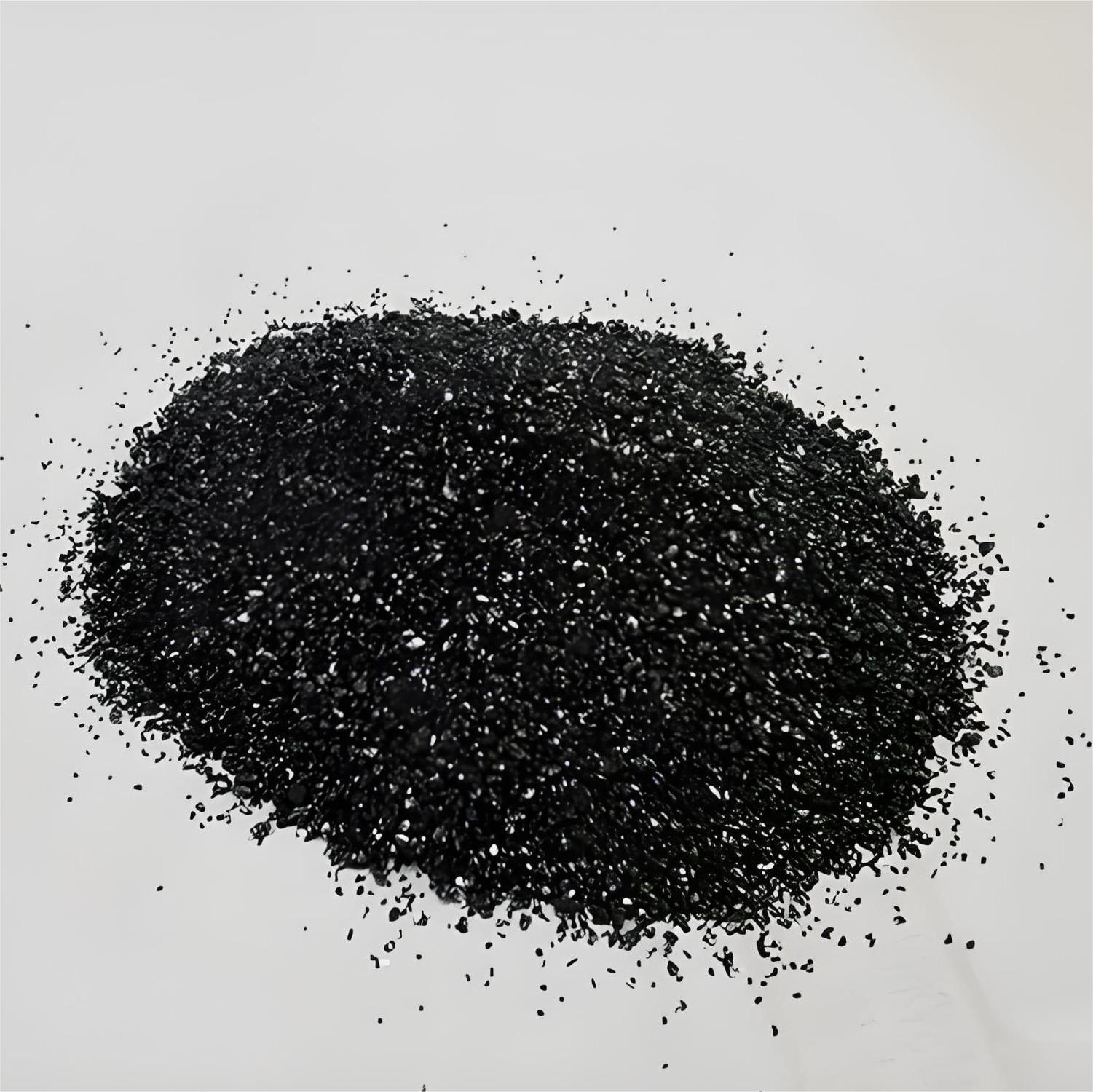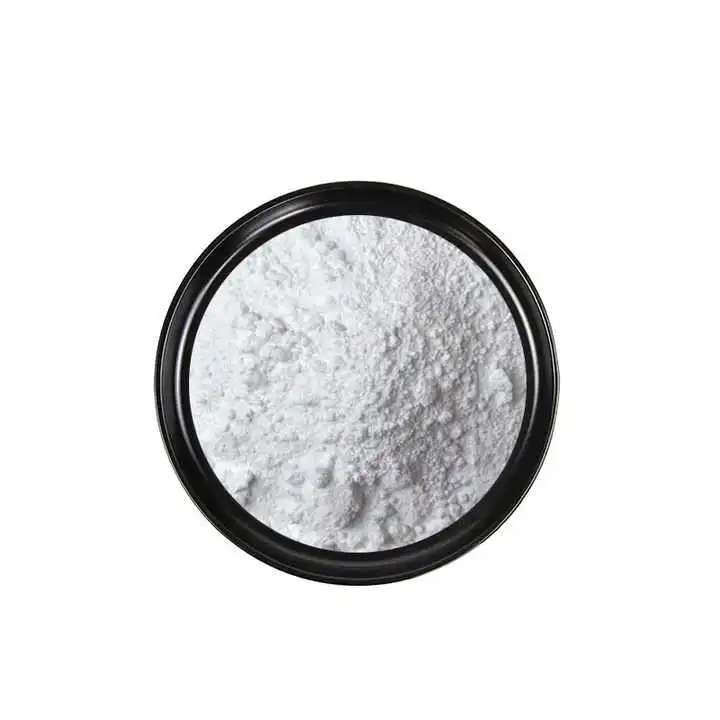

Zirconium silicate (ZrSiO4) plays a pivotal role as a high-performance additive in the glass industry, imparting enhanced mechanical strength and thermal stability to a broad range of glass products. Its high refractive index—typically between 1.93 and 2.01—combined with superior chemical inertness, positions it as a critical raw material for manufacturers seeking to improve product performance while containing costs. The challenge lies in meticulously managing both material quality parameters and supply chain processes to realize a synergistic balance of cost-efficiency and product excellence.
At the core of zirconium silicate’s value is its ability to reinforce the physical and chemical integrity of glass. The elevated refractive index contributes directly to improved optical clarity and brightness, essential for specialty glass applications. Moreover, its chemical stability under high-temperature conditions—often exceeding 1200°C—minimizes degradation or unwanted reactions during glass melting and forming.
By incorporating ZrSiO4 with controlled particle size distribution, typically ranging from 1 to 10 microns, manufacturers can optimize the packing density and reduce crystal defects, thereby boosting the glass’s mechanical strength by up to 15-20% compared to baseline formulations without the additive.
To ensure consistent performance, rigorous quality control is paramount. Key parameters such as purity—generally > 99.5% zirconium silicate content, low impurity levels (e.g., Fe2O3 < 0.1%), and precise particle size distribution must be thoroughly monitored. Additionally, chemical inertness dictates that impurities inducing volatility or reactivity at process temperatures remain minimal.
Industry standards such as ISO 1783 and ASTM C304 provide comprehensive analytical methods for evaluating zirconium silicate purity, crystallinity, and particle size metrics, enabling manufacturers to benchmark and certify their raw material inputs.
Typical laboratory techniques involve X-ray diffraction (XRD) for phase purity, laser diffraction for particle sizing, and inductively coupled plasma mass spectrometry (ICP-MS) for trace element quantification.
Beyond material quality, the supply chain’s operational excellence is crucial in controlling costs without sacrificing performance reliability. A holistic approach includes:
For instance, glass manufacturers adopting lean supply chain methodologies have reported up to 12% cost reduction alongside a measurable improvement in batch consistency, accelerating delivery times and uptime.
Drawing on two decades of industry experience, Rongsheng Refractory integrates advanced raw material screening with comprehensive supply chain controls to deliver zirconium silicate that meets stringent international certifications while ensuring unvarying supply reliability.
Their proprietary process emphasizes no-toxic and odorless formulations, adaptable across multiple glass manufacturing contexts. Paired with responsive aftersales service, this approach supports clients in achieving seamless scaling without compromising product integrity.
Innovations in nanoparticle grading and surface modification techniques are expanding zirconium silicate’s role beyond conventional glass to high-tech sectors such as optical lenses and smart glass, necessitating even finer quality assurance and agile supply networks.
Concurrently, digital transformation in procurement workflows through blockchain and AI-powered forecasting tools is revolutionizing how transactional transparency and predictive stocking help maintain cost-quality dual objectives.