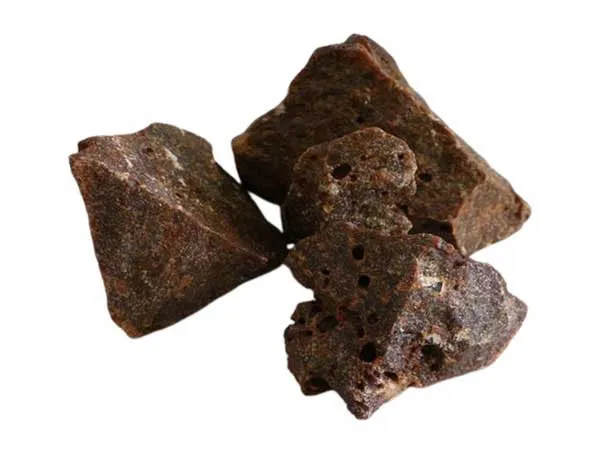
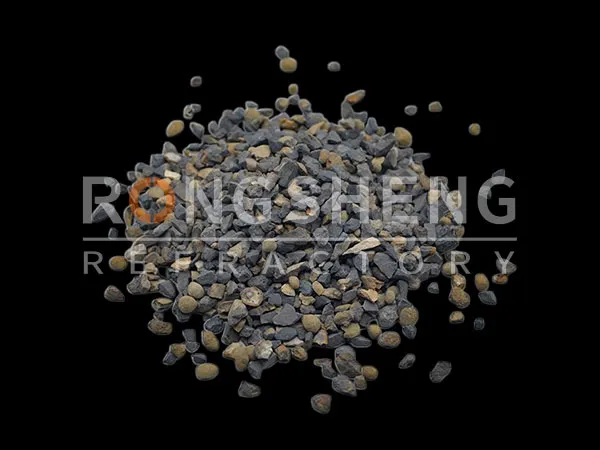
In metallurgy, heat treatment, ceramic firing, and high-temperature furnace lining maintenance, the failure of high-temperature wear-resistant materials is often not a "complete burn-out," but rather begins with localized hot spots , microcracks , and surface wear . Rongsheng Refractory Materials has found in its project practice that when silicon carbide powder (SiC) is rationally selected and customized for application in formulations, the material system more easily achieves synergistic benefits in "thermal shock resistance, crack propagation resistance, and wear resistance," resulting in a more stable operating window and a more controllable maintenance schedule for the equipment.
Silicon carbide is a compound ceramic primarily composed of strong covalent bonds, with typical crystal forms including α-SiC and β-SiC. Its high bond energy and stable lattice make it less prone to significant softening or structural collapse at high temperatures, a crucial factor for wear-resistant and refractory systems operating at temperatures above 1200℃ . A common failure pathway in engineering is: temperature fluctuations leading to thermal stress accumulation → microcrack initiation → crack connection and spalling → exposure of fresh surface accelerating wear. A stable crystal framework can reduce this "crack initiation speed" in the early stages.
Engineering Tip: The "lifespan" of high-temperature wear-resistant materials is not only determined by refractoriness, but also more often by the crack propagation rate under thermal shock, the wear rate, and the structural embrittlement induced by local hot spots. Silicon carbide powder is often used to simultaneously intervene in these three pathways.
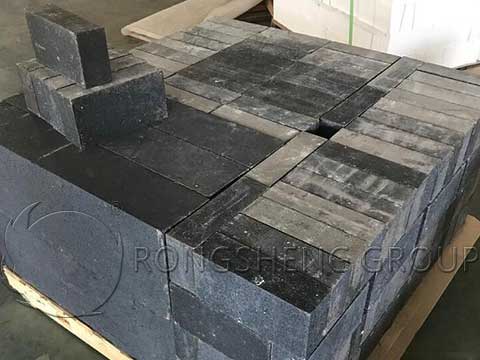
In high-temperature furnaces, hot air ducts, around burners, or at high-temperature abrasive contact surfaces, heat input is often uneven, forming localized hot spots. These hot spot areas have larger thermal gradients and concentrated thermal stress, making them more prone to crack initiation and propagation along weak interfaces. The high thermal conductivity of silicon carbide powder (commonly used engineering data: approximately 120–200 W/m·K at room temperature, decreasing with increasing temperature but still remaining advantageous) means it is more effective at distributing heat away from hot spots , reducing localized temperature peaks, and thus reducing peak thermal stress.
For many industrial customers, reducing "sudden cracking at a single point" is more important than improving average strength: while improved average strength may lead to better laboratory performance, field cracking caused by hot spots is the primary source of downtime and repairs. Silicon carbide powder improves heat transfer paths, making it more difficult for cracks to generate the stress driving force needed for sustained propagation.
| Metrics/Dimensions | Wear-resistant system reinforced with SiC powder (typical performance) | Standard System (Typical Risks) |
|---|---|---|
| Peak temperature difference of hot spots | Easier to be "flattened", resulting in a lower peak thermal stress. | More prone to heat concentration points, leading to earlier crack initiation. |
| Crack propagation trend | The crack driving force is reduced, and the probability of spalling decreases. | Cracks are more likely to penetrate when the thermal gradient is large. |
| Wear resistance contribution (hardness) | SiC has high hardness (Mohs hardness approximately 9–9.5 ), making it more resistant to wear. | More prone to weight loss and surface roughening under scouring/abrasive wear. |
| Maintenance Window | There is a greater chance that the project will shift from "emergency repairs" to "planned maintenance." | Hotspot failures increase the uncertainty of downtime. |
Note: The table shows common logic and reference ranges for engineering applications. Actual results are closely related to particle size distribution, purity, dosage, binding phase and construction technology, and need to be customized for evaluation based on the working conditions.
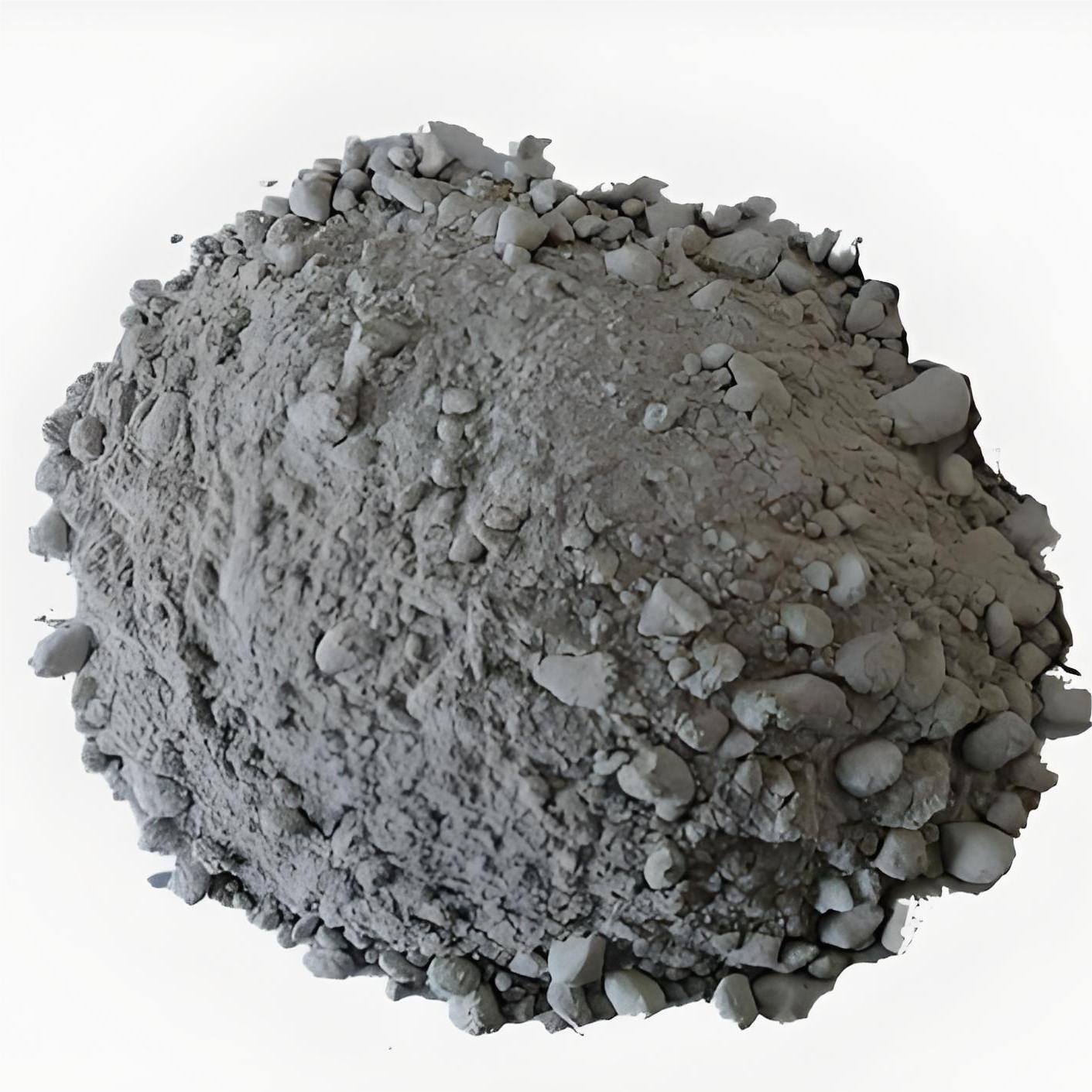
In abrasive wear, erosion wear, or high-temperature material friction, once a surface is rapidly cut or roughened, it is more prone to stress concentration and a vicious cycle of "heat-wear coupling": rough surfaces are more likely to retain heat and microcracks; cracks, in turn, accelerate spalling, and the fresh surface created by spalling continues to be worn away. The high hardness and good high-temperature stability of silicon carbide powder help maintain surface integrity and reduce the rate of weight loss and spalling frequency.
1) Particle size distribution (D10/D50/D90)
It affects bulk density, pore structure and heat conduction network connectivity; too fine a particle size may increase water demand or affect construction, while too coarse a particle size may weaken densification and interfacial bonding.
2) Purity and impurity control
Impurities may induce the formation of a glassy phase or weaken the interface at high temperatures, thereby affecting wear resistance and spalling resistance; they are particularly sensitive to high-temperature repair materials.
3) The dosage and bonding are matched.
The dosage is not necessarily better the higher it is. It needs to be verified together with the binder system, aggregate gradation, and construction method (pouring/tamping/spraying) to ensure a balance between strength, thermal conductivity and workability.
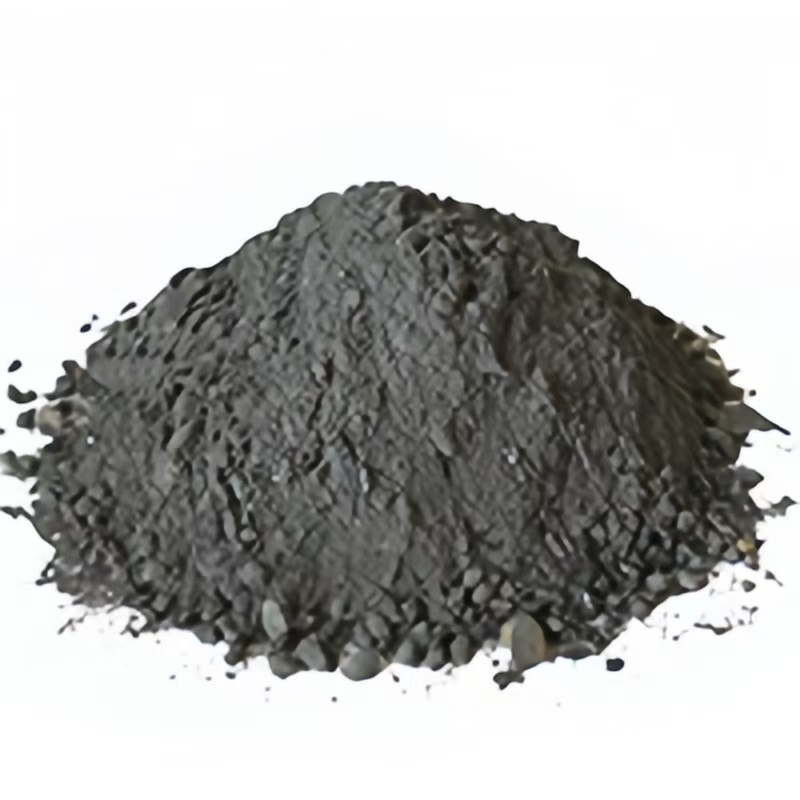
In abrasive manufacturing processes, materials undergo continuous friction and localized temperature rises. If heat cannot dissipate in time, localized softening, microcracks, and surface spalling will occur more quickly, affecting stability and consistency. The value of silicon carbide powder in such systems lies not only in its "hardness" but also in its ability to conduct heat more quickly, reducing the risk of structural degradation caused by hot spots, and making wear more akin to "predictable, slow weight loss" rather than "sudden chipping."
The goals of furnace repair are: rapid restoration of operation, prevention of premature cracking of the repair, and ability to withstand subsequent thermal cycling. Common challenges in practice include differences in thermal expansion between the repair area and the base material, moisture/bonding phase problems caused by excessively rapid heating, and heat concentration near the burner. Introducing silicon carbide powder into the repair material at an appropriate particle size and proportion helps to form a more favorable heat diffusion path and reduce local thermal stress; at the same time, its hardness can improve the surface's resistance to erosion, reducing the need for repeated maintenance that results in "wearing through again shortly after repair."
(Industry consensus conclusion): In high-temperature wear-resistant materials, the improvement of thermal conductivity can often significantly reduce the thermal stress concentration induced by hot spots; when thermal management and wear resistance enhancement are achieved simultaneously, material failure is more likely to change from "early cracking and spalling" to "controllable wear", which usually means a more stable maintenance schedule and a lower risk of unplanned downtime.
Even with the correct material selection, lifespan benefits will be diluted if on-site maintenance and inspection are neglected. For high-temperature wear-resistant/repair systems using silicon carbide powder, engineering recommendations suggest focusing on three types of signals: hot spots, cracks, and wear , and establishing actionable inspection procedures.
Rapid: Infrared thermography (hot spot distribution), surface visual inspection (cracks/peeling), tapping and auscultation (hollow areas).
Medium-level assessments include ultrasonic/spring-loaded evaluation (density and defect trends) and critical point thickness measurement (wear rate).
Verification: Take samples for particle size/microstructure observation or comparative abrasion tests (for review and the next round of formulation optimization).
Rongsheng Refractory Materials can assist you in selecting particle size distribution, purity grade, and recommended dosage based on your operating conditions (temperature range, thermal cycling frequency, abrasive media, repair methods, and downtime windows), and provide actionable on-site maintenance and testing recommendations to make material performance more closely match the rhythm of a real production line.
Get customized silicon carbide powder technology selection and application supportRecommended information to prepare: operating temperature and peak value, source of wear (erosion/abrasive/friction), current failure mode (cracking/stripping/wear through), application process and allowable baking temperature rise profile.