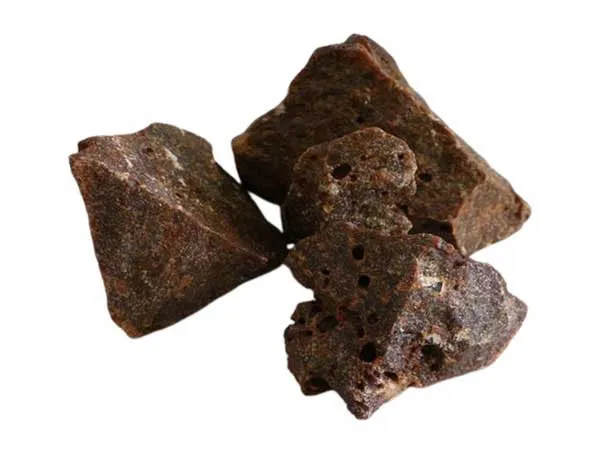
Silicon carbide (SiC) powder has become an indispensable component in high-temperature refractory materials due to its outstanding thermal conductivity and durability. In industries such as steelmaking and ceramic kiln manufacturing, controlling the particle size distribution of SiC powder is critical for optimizing thermal management and material performance throughout production scales.
The particle size of silicon carbide powder directly influences its physical characteristics, such as packing density, sintering behavior, and interfacial heat transfer. Smaller particle sizes generally increase surface area, improving sinterability and leading to higher densification. However, excessive fineness can reduce thermal pathways due to grain boundary resistance.
Conversely, larger particles can improve thermal conductivity through enhanced percolation pathways but may result in lower packing density and increased porosity. Finding the optimal balance is essential for efficient heat transfer within refractory materials.
The following technical parameters showcase typical effects of particle size variation on SiC powder properties and thermostability performance:
| Particle Size Range (µm) | Bulk Density (g/cm³) | Thermal Conductivity (W/m·K) | Sintering Temperature (°C) |
|---|---|---|---|
| 0.5 - 1.0 | 2.3 | 130 | 1950 |
| 1.0 - 5.0 | 2.5 | 150 | 1900 |
| 5.0 - 10.0 | 2.7 | 165 | 1850 |
Steelmaking Furnaces: High thermal conductivity is key for efficient heat distribution and refractory lifespan. Tailoring particle size distribution to incorporate a blend of fine (0.5-1.0 μm) and medium-sized (1.0-5.0 μm) powders achieves high densification and stable heat transfer under cyclic thermal stresses.
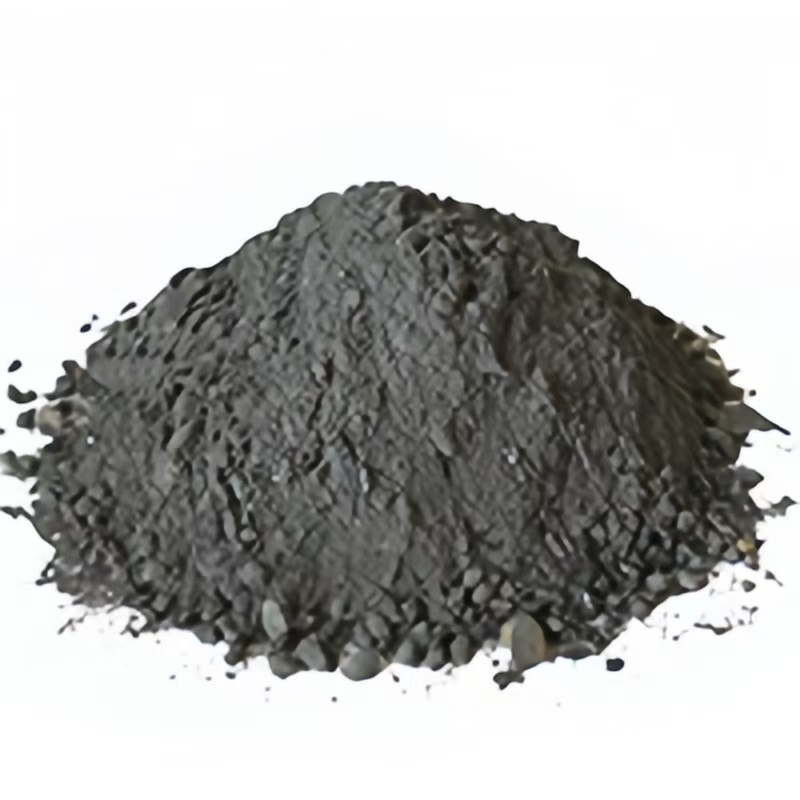
Ceramic Kiln Components: Utilization of coarser SiC powder particles (5.0-10.0 μm) enables improved mechanical strength and thermal shock resistance. This supports uniform heat conduction while maintaining structural integrity, essential for prolonged kiln operation.
Simple thermal conductivity measurements can be performed using the laser flash method, delivering accurate in-lab data. Aligning powder particle size with sintering parameters—such as temperature ramp rates and holding times—ensures reproducible quality from experimental batches to large-scale production.
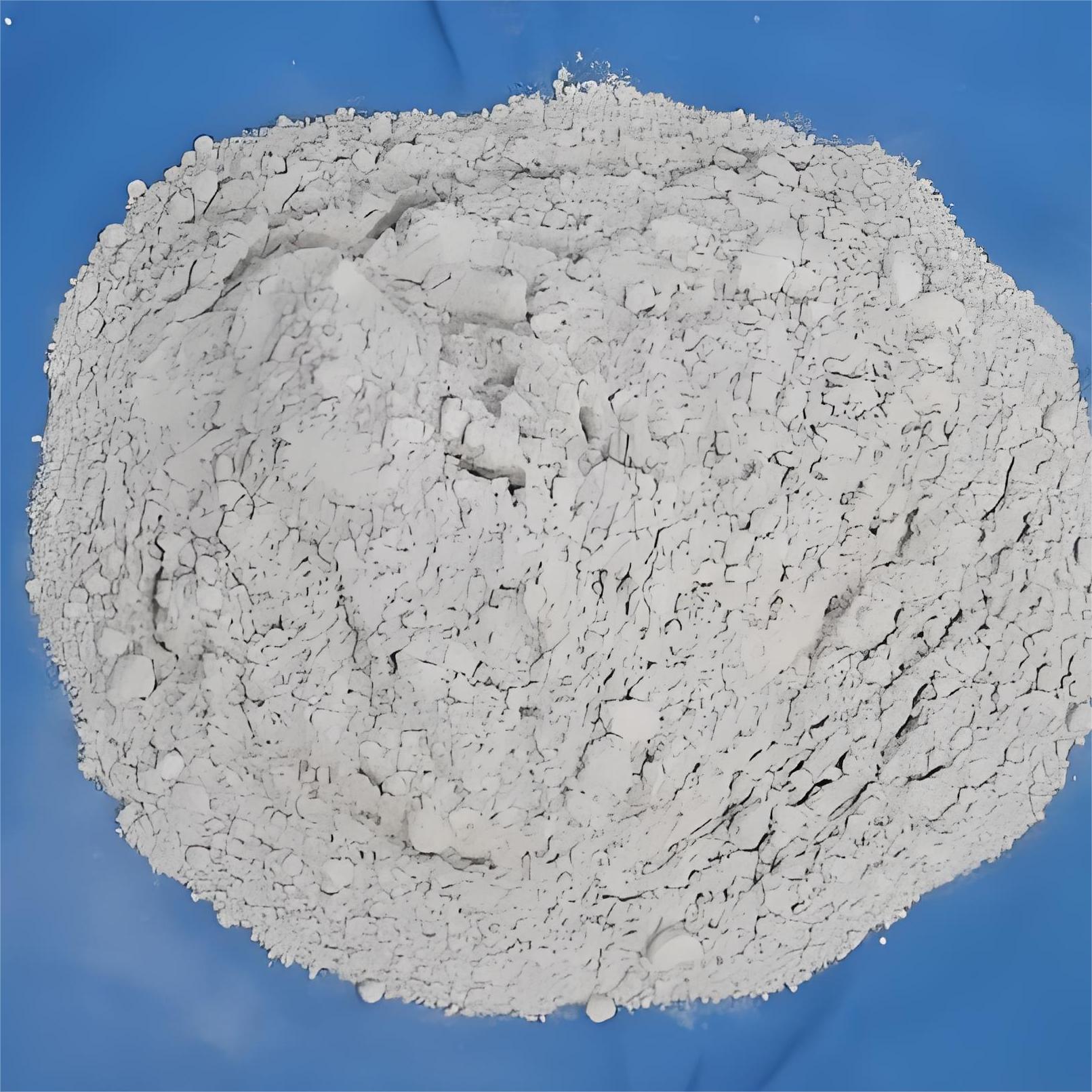
Adjusting sintering temperatures within the range of 1850°C to 1950°C depending on particle size optimizes grain growth and minimizes porosity. Employing a multi-stage temperature profile allows compensation for particle size variability, resulting in consistent thermal conduction.
“The precision in particle size customization unlocks the full potential of SiC powder,” says Dr. Emma Li, Senior Materials Engineer at Zhengzhou Rongsheng Refractory Materials Co., Ltd. “This control directly translates to enhanced thermal stability and longer service life in demanding environments.”