Have you ever experienced unexpected spalling or premature wear in your furnace lining—despite using high-purity fused white alumina? The culprit might not be the material itself, but rather how it’s sized and shaped for your specific application.
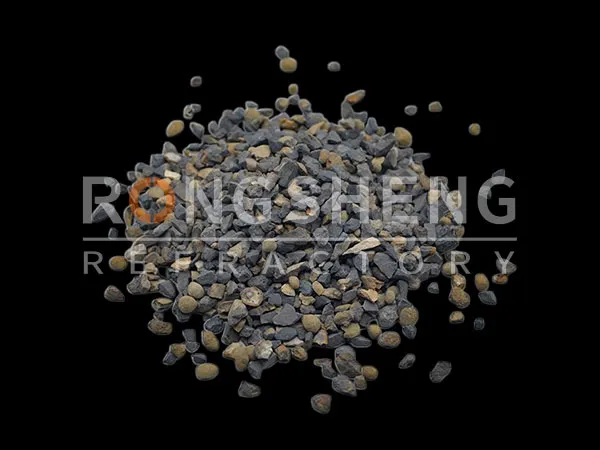
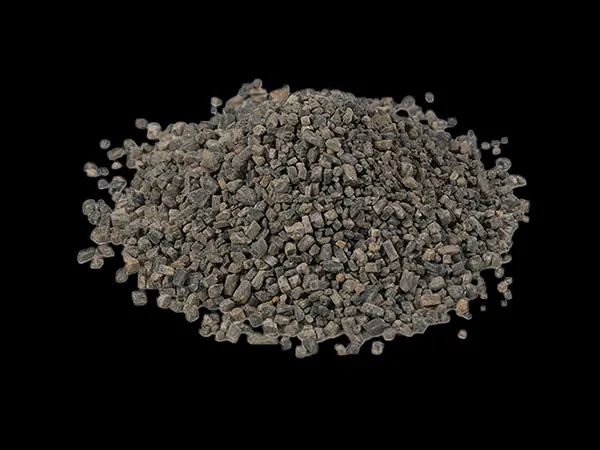
In refractory applications like electric arc furnaces (EAFs) or catalytic cracking reactors, grain size distribution directly impacts both workability during installation and long-term performance under thermal stress. A well-graded mix—from fine powder (<0.045 mm) to coarse aggregate (>3 mm)—ensures optimal packing density and mechanical interlock.
For example:
Many buyers assume spherical grains offer better flow—but real-world data from European steel plants shows otherwise. In one study across 12 EAF linings, irregular-shaped fused white alumina achieved up to 12% higher bulk density compared to spherical counterparts at the same vibration time.
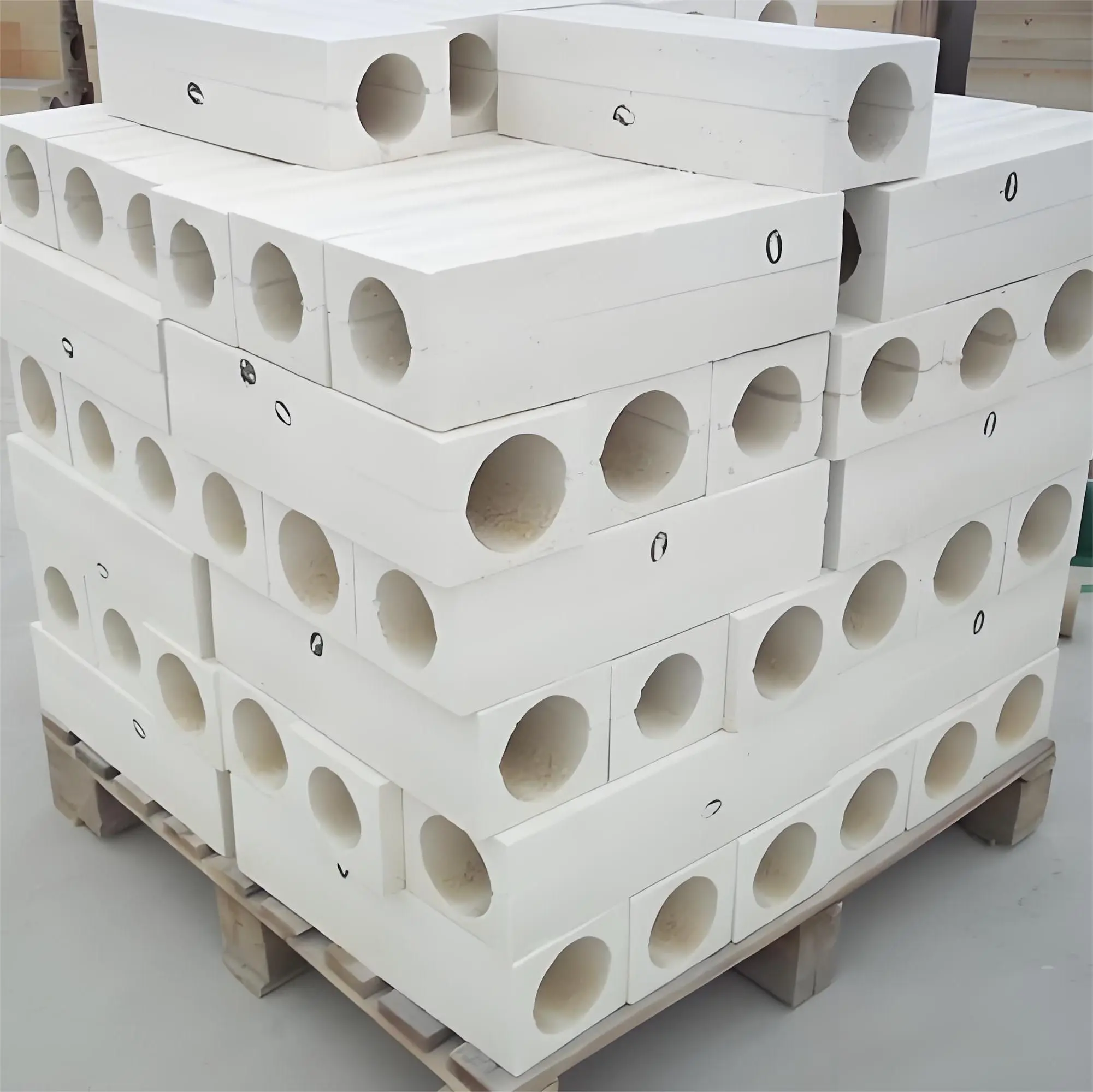
This is because irregular particles create more frictional resistance, which helps them lock together more tightly when compacted—a key advantage in precast bricks where strength matters most.
“We switched from spherical to angular-grade fused white alumina in our precast blocks—and saw a 22% improvement in hot-load deflection resistance after 50 cycles.”
— Client Testimonial, Germany-based Refractory Manufacturer
Not all kilns are created equal. Consider this simple decision matrix based on temperature gradients:
| Application Type | Recommended Grain Size Range | Preferred Shape |
|---|---|---|
| Dense Castables (EAF, Ladle) | 0.045–3 mm | Spherical |
| Precast Bricks (Cracking Units) | 0.5–6 mm | Angular |
| High-Stress Zones (Burner Ports) | 3–8 mm | Irregular |
If you're still unsure about selecting the right grade for your project, we’ve compiled a free Industry Selection Guide with case studies from over 30 global clients—including detailed graphs showing how different particle shapes affect service life under varying thermal cycles.