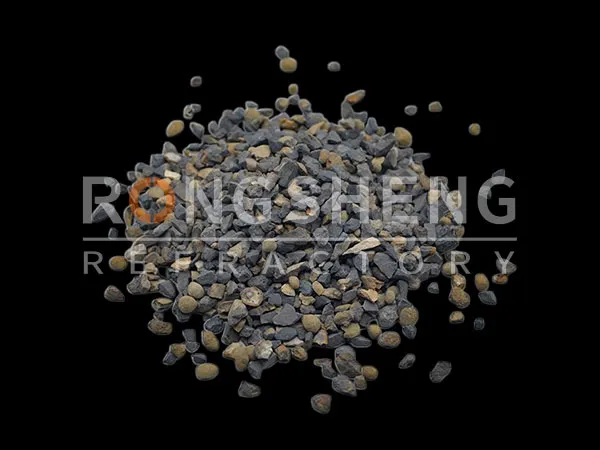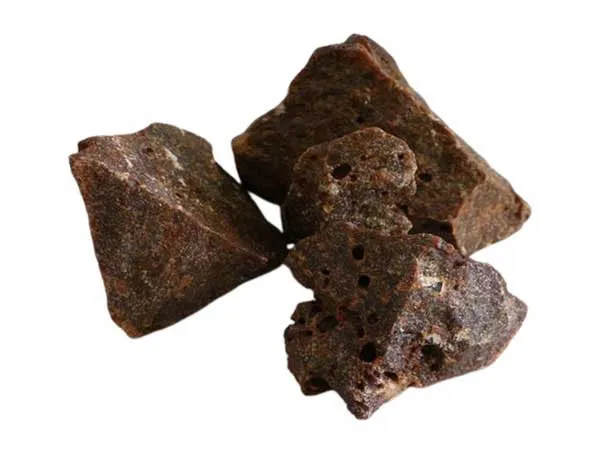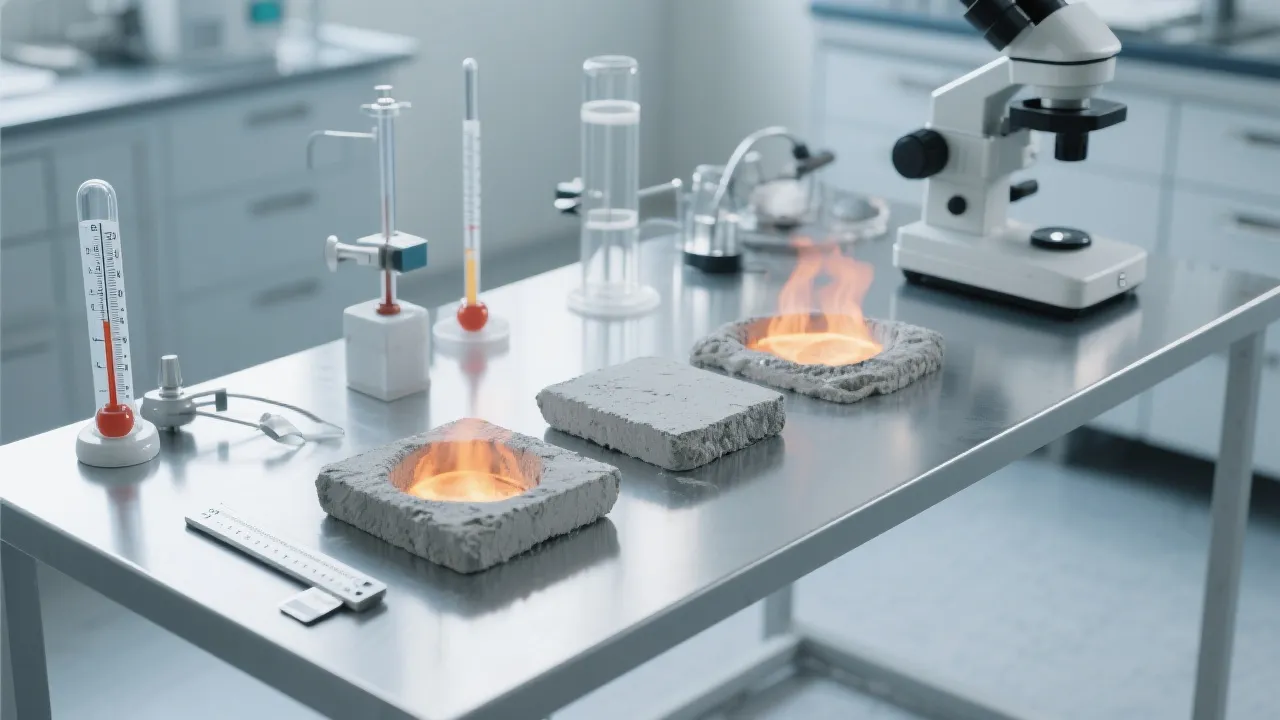
High-purity silicon carbide (SiC) powder has emerged as a critical component in advanced refractory materials used across high-temperature industrial applications—from ceramic manufacturing to steelmaking and glass production. Its unique combination of mechanical strength, thermal conductivity, and chemical stability makes it indispensable for extending the service life of kilns operating under extreme conditions.
According to industry data from the American Ceramic Society, SiC powders with purity levels exceeding 98% significantly improve thermal shock resistance in refractory linings. The average hardness of these powders—measured at 25–27 GPa on the Vickers scale—enables superior wear resistance against abrasive materials such as molten metals and slag. This directly translates to reduced maintenance cycles and increased operational uptime for manufacturers using kilns in continuous processes.
Additionally, SiC’s low coefficient of thermal expansion (~4.5 × 10⁻⁶ /°C) minimizes microcracking during rapid heating and cooling phases—a common failure point in traditional alumina-based refractories. In one case study conducted by Rongsheng Refractory Materials, a steel plant in China reported a 35% reduction in lining replacement frequency after switching to SiC-enhanced bricks, even when operating at temperatures above 1,600°C.
The particle size distribution of SiC powder plays a pivotal role in achieving optimal densification during sintering. Research published in the Journal of the European Ceramic Society indicates that a narrow particle size range between 0.5–5 μm results in up to 15% higher green density compared to broader distributions. This leads to improved mechanical integrity and lower porosity in final products—key metrics for resisting penetration by corrosive gases or molten substances.
For example, Rongsheng’s custom-grade SiC powders are engineered for specific kiln types: fine particles (≤1 μm) for spray-coating applications, and coarser grades (10–50 μm) for castable formulations. This level of customization ensures that each client receives a tailored solution aligned with their process parameters—whether it's a tunnel kiln in the tile industry or a rotary kiln in cement production.
Unlike many conventional refractory additives, SiC maintains structural integrity in oxidizing and reducing atmospheres alike. Studies show that SiC-containing refractories exhibit over 90% retention of flexural strength after exposure to 1,500°C for 50 hours in air—outperforming standard zirconia-alumina composites by nearly 20%. This resilience is particularly valuable in industries like petrochemicals and metallurgy where aggressive chemical environments accelerate material degradation.
Moreover, the ability to tailor SiC content—from 5% to 30% by weight—allows engineers to balance cost-efficiency with performance needs. For instance, a low-SiC formulation may suffice for intermittent-use kilns, while continuous-process systems demand higher concentrations to maintain long-term reliability.
Pro Tip: When selecting SiC powder for your refractory application, always consider both particle morphology and purity grade—not just the nominal percentage. Even small impurities (like free carbon or iron oxide) can affect sintering kinetics and lead to unexpected failures in high-stress zones.
As global industries push toward energy efficiency and sustainability, the role of smart refractory design—including precise SiC integration—is becoming more strategic than ever. By leveraging real-world data, proven case studies, and flexible customization options, companies like Rongsheng Refractory Materials empower users to optimize performance across diverse industrial scenarios without compromising safety or longevity.