

In the competitive world of industrial grinding and finishing, material science is no longer just a supporting function—it's a performance driver. High-purity black silicon carbide powder (with 80–95% SiC content) has emerged as a critical ingredient for manufacturers seeking to boost tool life, reduce downtime, and improve surface finish consistency across diverse applications—from precision sanding wheels to high-speed abrasive blasting systems.
With a Mohs hardness rating of 9.5 (second only to diamond), silicon carbide offers unmatched wear resistance under high-load conditions. But what truly sets it apart from other abrasives like aluminum oxide is its thermal stability—maintaining structural integrity up to 1600°C without phase change or degradation. This means less chipping, fewer heat-induced cracks, and longer operational cycles in demanding environments such as aerospace component machining or ceramic tile polishing.
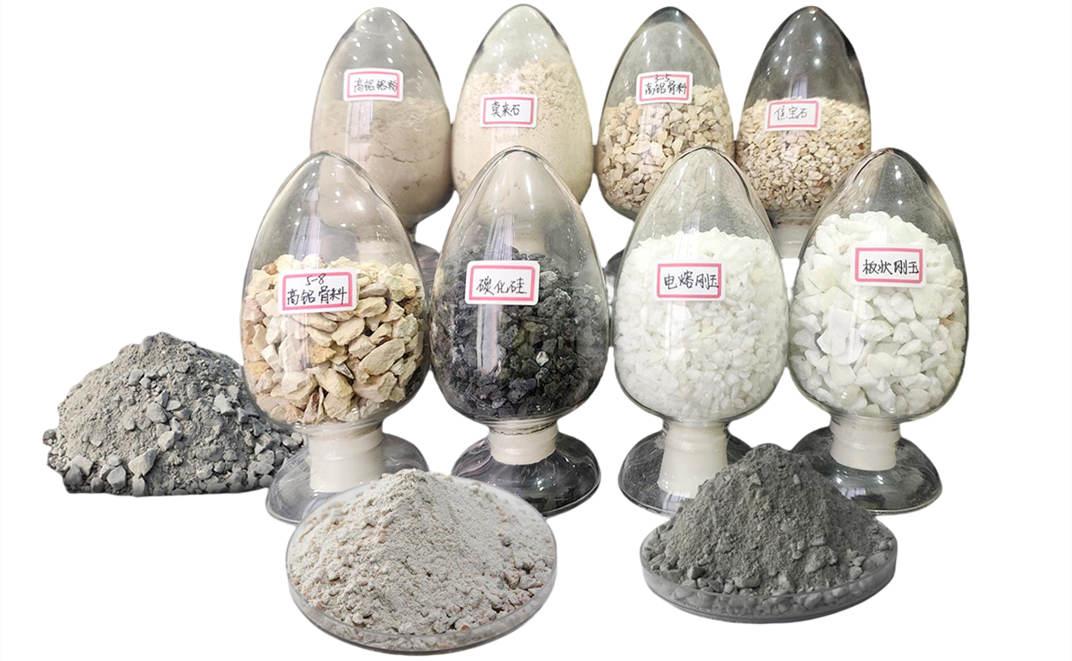
According to industry tests conducted by the International Association of Abrasives Technology (IAAT), tools using 92%+ pure SiC powder show an average 27% increase in cutting efficiency over traditional formulations when applied at optimal grain sizes.
Not all grinding tasks require the same particle size. Fine powders (<10 µm) excel in polishing compounds where smooth finishes are essential (e.g., optical lenses or medical implants). Coarser grades (100–300 µm) deliver aggressive material removal in sandblasting or rough grinding operations. At Rongsheng Refractory Materials, we offer customized SiC grain distributions based on client-specific process parameters—including RPM, feed rate, and desired surface roughness (Ra).
Your process might benefit from finer grains—or perhaps coarser ones for faster stock removal. Let’s explore how your application matches the right SiC profile.
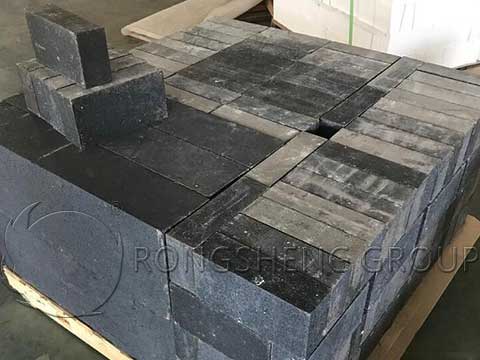
We’ve seen clients shift from standard 80-grit to 120-grit SiC blends after noticing micro-cracks in finished parts—a clear sign that thermal stress was exceeding expected limits. Our team now includes a feedback loop system that correlates customer-reported issues with lab-tested thermal shock resistance data (measured via ASTM C1239 standards). This ensures every batch meets not only ISO 9001-certified quality but also real-world performance expectations.
One case study involved a European ceramics manufacturer who reduced their rework rate by 41% simply by switching to our 150–200 µm SiC grade optimized for low-friction grinding. That wasn’t luck—it was data-driven design.
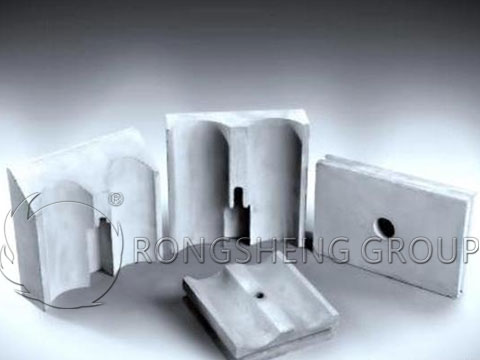
Whether you’re in Germany, UAE, or North America, our CE- and ISO-certified SiC powders ensure consistent performance regardless of regional variations in humidity, temperature, or equipment calibration. This global compatibility makes us a trusted partner for multinational OEMs looking to scale production without compromising quality.
Get Your Customized SiC Grain Solution Today


