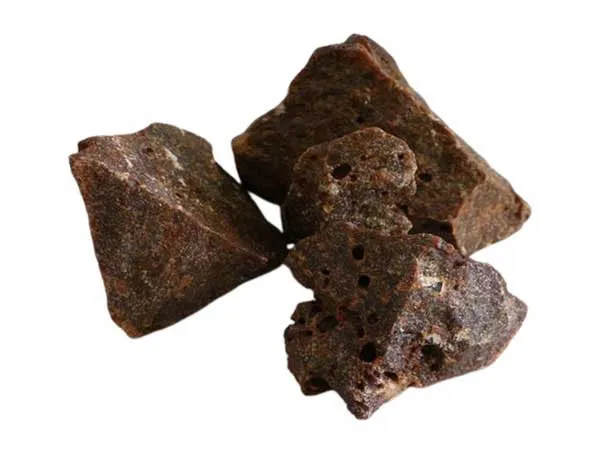
In the demanding environment of steelmaking, the durability of ladle refractory linings is paramount. High-purity fused white corundum, with alumina content exceeding 99.5% and alkali oxides (Na₂O) below 0.30%, plays a pivotal role in enhancing the lifespan of steel ladle linings. This article dissects internationally recognized standards — ASTM C140 and ISO 1928 — and contrasts XRF versus ICP-MS analytical techniques, illustrating how purity enhancements translate into a more resilient refractory solution that improves service life by over 30%.
Key takeaway: Elevating fused white corundum purity above 99.5% drastically improves thermal stability (withstand temperatures ≥1850°C) and chemical corrosion resistance, empowering a 30%+ increase in refractory lifespan and optimizing steel production continuity.
ASTM C140 and ISO 1928 provide stringent specifications for alumina refractory raw materials. These standards mandate chemical composition limits, emphasizing ultra-low impurities such as Na₂O (≤0.30%) and other fluxing agents which compromise thermal and chemical performance. Compliance ensures the fused white corundum exhibits high refractoriness, minimal thermal expansion, and stable phase structures essential for enduring aggressive steelmaking conditions.
Even trace amounts of alkali oxides and other contaminants in white corundum can weaken the structural integrity of ladle linings. These impurities accelerate corrosion when exposed to molten steel and slags, causing premature erosion. Reducing Na₂O content below 0.30% directly correlates with enhanced resistance to acidic and basic slag attacks, maintaining microstructural stability at temperatures above 1850°C.
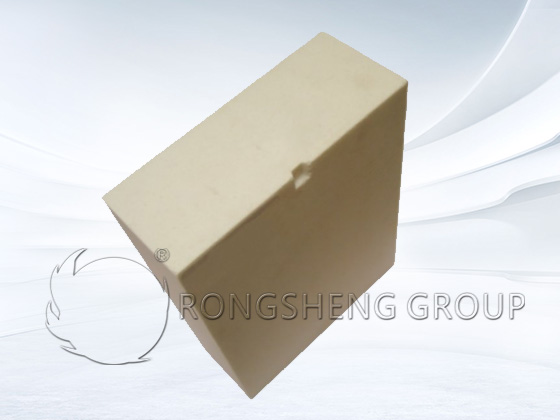
Accurate assessment of chemical composition is critical for verifying raw material quality. X-Ray Fluorescence Spectrometry (XRF) offers rapid, non-destructive analysis suitable for routine checks but has limitations in detecting trace alkali oxides at ultra-low thresholds. Inductively Coupled Plasma Mass Spectrometry (ICP-MS), though more resource-intensive and time-consuming, provides superior sensitivity and precision, essential for confirming alumina purity above 99.5% and verifying Na₂O content.
Bridging lab data with field performance requires a standardized acceptance process. Steel manufacturers should develop a robust raw material entry SOP incorporating ICP-MS validation complemented by XRF for batch verification. Identifying impurity sources—from mining to fusion processes—enables targeted process optimization: such as advanced refining of fused alumina and controlled cooling to enhance crystallinity. These measures synergistically uplift refractory life cycles, minimizing costly downtime.
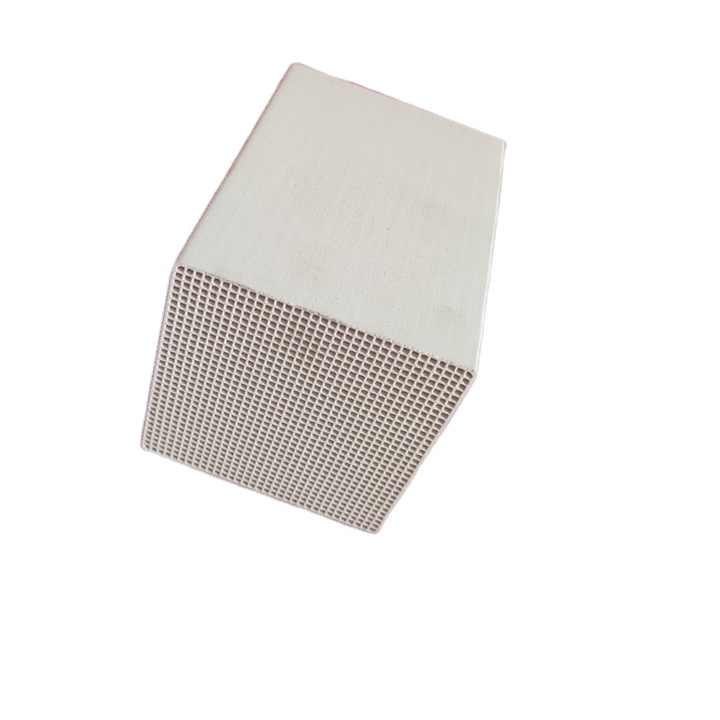
A global steel producer integrated high-purity fused white corundum with alumina content stabilized at 99.6%, verified through ICP-MS. This material replaced conventional alumina in ladle linings subjected to cyclic thermal and chemical stresses up to 1870°C. Post-deployment evaluations showed a remarkable 30% increase in refractory service life, accompanied by reduced maintenance frequency and improved process stability.
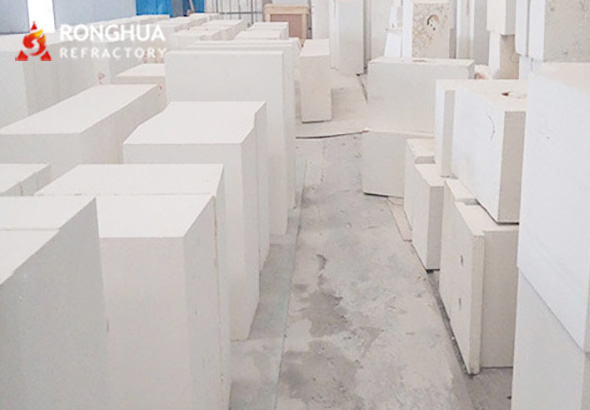
This success highlights the critical role of purity control combined with advanced detection in achieving durable, cost-effective refractory solutions tailored for modern steelmaking challenges.
Leverage high-purity fused white corundum (Al₂O₃≥99.5%) to boost ladle refractory longevity by over 30%, supported by global technical expertise and industry-certified quality assurance. Optimize your production continuity with materials engineered for thermal stability and corrosion resistance.