High Refractive Index Zircon Silicate: Technical Properties and Value in Ceramic and Glass Manufacturing
2026-03-05
High refractive index zircon silicate (RI 1.93–2.01) is increasingly recognized as a performance-driven raw material for ceramics, glass, and refractory applications, thanks to its outstanding chemical inertness and high-temperature stability. This article provides an objective, technical overview of its core physical and chemical characteristics, explaining how enhanced refractive index improves opacity, whiteness, and optical consistency, while thermal resistance supports stable firing and reduced defect rates under demanding process conditions. Practical application insights are included, such as improved glaze hiding power and firing uniformity in ceramics, and better clarity control and devitrification resistance in glass production. The discussion also highlights potential advantages versus conventional opacifiers (e.g., titanium dioxide or zinc oxide) from a process-efficiency and compliance perspective, and outlines forward-looking trends including nano-scale modification, greener processing routes, and compatibility with smart manufacturing. For companies seeking dependable supply and technical continuity, Rongsheng Refractory Materials offers zircon silicate solutions backed by responsive after-sales service and end-to-end technical support.
High Refractive Index Zirconium Silicate: Technical Performance That Moves Ceramic & Glass Quality Upstream
In ceramic glazes, glass batches, and refractory formulations, a “small” mineral choice can decide whether a product looks premium, fires consistently, and survives harsh service conditions. High refractive index zirconium silicate—typically RI 1.93–2.01—is increasingly specified as a functional filler and opacifier because it combines optical efficiency with chemical stability and high-temperature reliability.
What makes this material valuable is not a single property, but the way its light-scattering behavior, thermal endurance, and inert chemistry reinforce each other in real production lines—especially when manufacturers must balance whiteness, yield, and compliance.
1) What Zirconium Silicate Is (and Why High RI Matters)
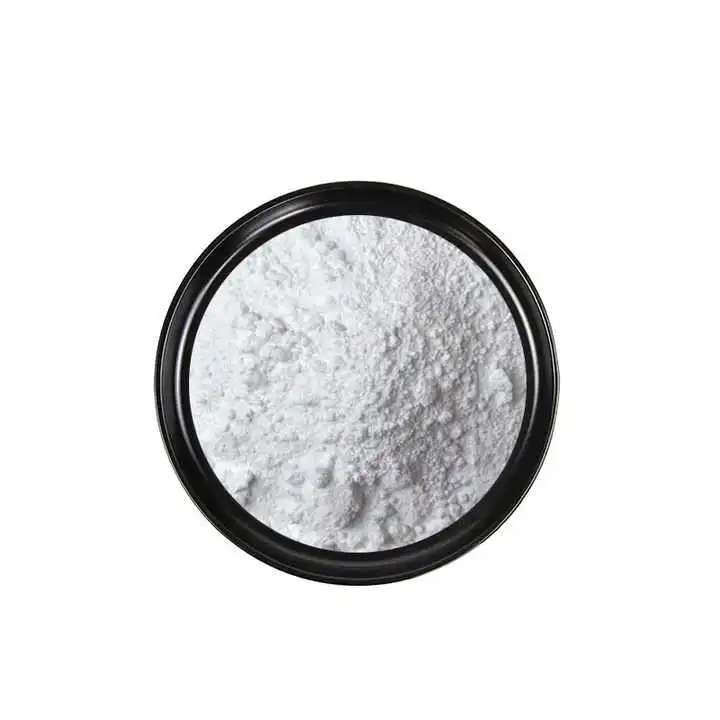
Zirconium silicate is commonly supplied as a white to off-white powder used in ceramics, glass, and high-temperature industries. While its base identity is well known, its refractive index is often the hidden lever: the closer the refractive index is to the surrounding matrix (or the stronger the contrast where scattering is needed), the more control a manufacturer gains over opacity, brightness, and visual depth.
Refractive Index Comparison (Typical Reference Values)
Material
Typical Refractive Index
Why It’s Used
Zirconium silicate (high RI grade)
1.93–2.01
Opacifying efficiency + chemical stability at high temperature
Titanium dioxide (rutile)
~2.70
High hiding power; may raise concerns in some formulations and processing conditions
Zinc oxide
~2.00
Flux/functional additive; can behave differently under certain glaze chemistries
Soda-lime glass (matrix reference)
~1.52
Baseline for optical contrast and scattering design
Note: Values are typical industry references; actual performance depends on particle size distribution, dispersion, formulation chemistry, and firing schedule.
For many manufacturers, zirconium silicate becomes the practical “sweet spot” when they need repeatable whiteness and opacity without sacrificing thermal robustness—and without introducing high reactivity into sensitive glaze or glass systems.
2) Physical & Chemical Characteristics That Hold Up in Production
A good raw material is not the one that looks best on a datasheet—it is the one that stays stable across real-world variability: batch-to-batch moisture, kiln atmosphere fluctuations, mill wear, changing frit sources, and faster firing curves. High refractive index zirconium silicate is valued because it tends to remain chemically inert in many systems while offering strong optical performance.
Optical Enhancement (Opacity & Whiteness)
The RI range of 1.93–2.01 supports effective light scattering in glazes and certain glass compositions, helping deliver a more uniform visual appearance. In sanitaryware and wall tile glazes, plants often report noticeable gains in hiding power at comparable loading levels, especially when dispersion is controlled.
Chemical Stability (Less Interaction, More Predictability)
Zirconium silicate is widely appreciated for being resistant to many acids and alkalis under typical processing conditions. This stability reduces the risk of unexpected color shifts, surface defects, or glaze chemistry drift, supporting tighter quality control in large-scale firing.
In fast-firing or high-peak schedules, zirconium silicate helps maintain structure and performance. Many ceramic lines using zircon-based opacification observe more stable whiteness across firing zones, reducing over/under-fired visual variation and supporting higher first-pass yield.
3) Ceramic Applications: From Whiter Glazes to More Consistent Firing
In ceramics, zirconium silicate is commonly selected as an industrial ceramic additive for glazes, engobes, and sometimes body formulations. Its contribution is often evaluated in three plant-level metrics: visual consistency, firing tolerance, and cost per acceptable square meter.
Practical Value in Glaze Systems
Higher glaze whiteness & coverage: improved opacity can reduce the risk of “shadowing” from the ceramic body.
More uniform appearance: stable scattering helps minimize visual banding in large-format tiles.
Improved process tolerance: less sensitivity to moderate variations in firing profile and raw batch chemistry.
Production Data Snapshot (Industry-Common Reference)
Parameter
Typical Improvement After Optimization
Operational Meaning
Ceramic body water absorption (selected body systems)
15%+
Denser microstructure, better dimensional stability for certain formulations
Glaze opacity / hiding power
8–18%
Less show-through, cleaner whites, more consistent look
First-pass yield (visual defects related to opacity)
3–7%
Lower rework and scrap under high-volume production
Data shown reflects common plant feedback ranges after formulation tuning; results vary by kiln type, glaze composition, and dispersion method.
For manufacturers producing premium white surfaces, the real advantage is that zirconium silicate can support consistent optical results while keeping the line stable when throughput increases or firing cycles are tightened.
In the glass industry, zirconium silicate is often considered a glass manufacturing material that contributes to stable performance under thermal cycles. Depending on the glass type and target property, it may support a balance between optical control and process stability.
Where It Creates Measurable Value
Better resistance to devitrification (anti-crystallization): helps keep the melt and finished glass more consistent, especially under challenging thermal histories.
Improved thermal stability in high-temperature environments: useful for applications demanding long service life and stable properties.
Lower risk of unwanted chemical interactions: supports predictable batch behavior in mixed raw material systems.
In refractory applications, zirconium silicate contributes as a high-temperature stable material, particularly where chemical inertness and thermal endurance are prioritized to reduce wear and prolong maintenance intervals.
5) Why Many Plants Shift from Traditional Opacifiers: Performance-to-Process Balance
Zirconium silicate is not a universal replacement for every opacifier, but many producers evaluate it when they want to reduce sensitivity in production. Compared with certain traditional systems, it can offer a more stable behavior window—often translating into less tuning time and fewer surprises during scale-up.
Decision Factors Buyers Commonly Use
Process stability: less formulation drift, fewer re-adjustments per batch change.
Sustainability alignment: supports longer service cycles and lower scrap, improving overall resource efficiency.
Cost-per-quality: evaluated via yield gains, defect reduction, and consistent whiteness—rather than unit cost alone.
When a plant targets premium-grade visual standards, improving first-pass yield by even a few percentage points can matter more than any single raw material delta—especially in high-throughput tile and sanitaryware production.
6) Compliance, Traceability, and Technical Support: What Global Buyers Expect
International procurement teams increasingly require more than a COA. They look for repeatable quality control, traceability, and the ability to troubleshoot quickly across time zones. For zirconium silicate, that typically includes stable particle sizing, controlled impurities, and consistent whiteness/brightness indicators aligned with the customer’s product positioning.
In practice, a reliable supplier is the one that can support pilot tests, recommend dispersion strategies, and respond fast when a line experiences firing variability or appearance shifts.
Get More from High RI Zirconium Silicate—With Full-Process Technical Support
For ceramic, glass, and refractory manufacturers, performance is not only about raw material purity—it’s about how the material behaves in milling, dispersion, firing, and long-run consistency. Choosing Rongsheng Refractory zirconium silicate means access to a quality-focused supply chain and an application-minded service approach.
Ready to Upgrade Glaze Opacity and High-Temperature Reliability?
Select Zhengzhou Rongsheng zirconium silicate to secure high-quality raw materials—plus end-to-end technical support and fast-response service for stable, scalable production.
With market trends moving toward nano-scale modification, greener processing routes, and tighter compatibility with smart manufacturing, zirconium silicate specifications are becoming more application-driven—rewarding producers who validate materials not only by numbers, but by consistent results on the line.