High Refractive Index Zircon Silicate: Technical Properties and Advantages in Refractory Applications
2026-03-04
High refractive index zircon silicate (RI 1.93–2.01) is widely recognized as a performance-enhancing additive across refractory, ceramic, glass, and polymer systems. This article provides an objective technical overview of how zircon silicate’s optical behavior improves whiteness, opacity, and surface gloss, while its excellent chemical stability supports reliable performance under aggressive processing conditions. Key physical attributes—high melting point, thermal stability, and wear resistance—are examined in relation to real industrial use cases, highlighting measurable gains in heat resistance, product consistency, and overall quality. The discussion also addresses the value of internationally aligned quality control and certification for batch-to-batch consistency, as well as practical implementation considerations that reduce adoption risk. For manufacturers seeking process optimization and competitive differentiation, Rongsheng provides complete technical support and after-sales assurance to enable confident scale-up and stable production.
High-Refractive-Index Zircon Silicate: Technical Characteristics and Practical Advantages for Refractories
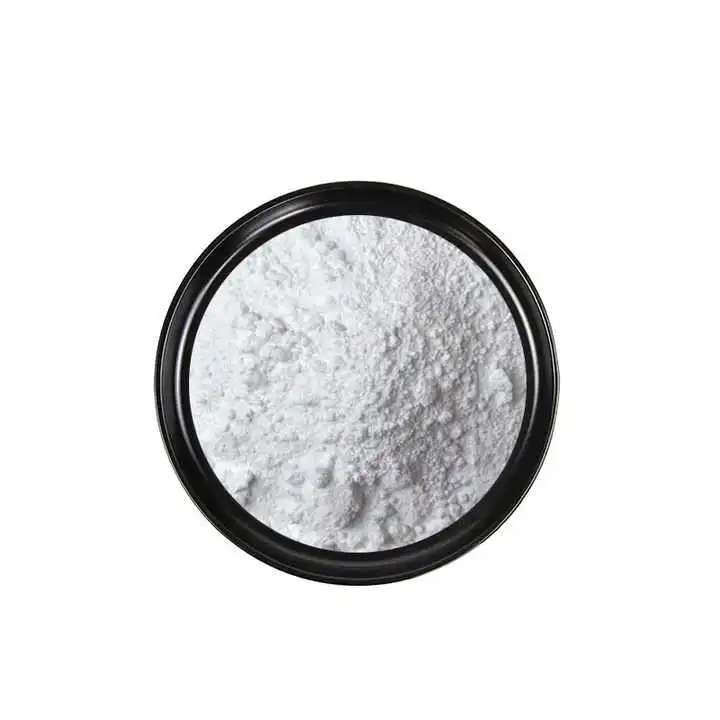
In high-temperature manufacturing, materials are judged by what they do after thousands of thermal cycles—not by what they promise on day one. High-refractive-index zircon silicate (ZrSiO4) stands out as a non-toxic white powder with excellent chemical stability and robust thermal performance, widely used as an additive across refractories, ceramics, glass, and plastics.
This article takes a practical, engineering-first look at why a refractive index around 1.93–2.01 is not just a lab number—how it translates into optical brightness, glazing quality, and more reliable outcomes under aggressive industrial conditions.
1) Material Profile: Why Zircon Silicate Holds a Strategic Position
Zircon silicate is a naturally derived zirconium-bearing mineral refined into a controlled industrial-grade powder. In B2B production lines, its value is not only in whiteness or opacity, but in its ability to maintain performance at elevated temperatures and in chemically complex environments (alkalis, slags, fluxes, and variable furnace atmospheres).
Common industrial characteristics (typical ranges)
Chemistry: ZrSiO4 (zirconium silicate)
Refractive index: ~1.93–2.01 (grade-dependent)
Appearance: non-toxic white powder, high whiteness potential
Thermal behavior: strong resistance to thermal shock and sintering stability in many formulations
Use mode: additive / opacifier / filler / performance enhancer
What buyers typically care about
Batch-to-batch consistency and particle size distribution
Low contaminant risks (especially Fe2O3, TiO2)
Stable behavior in alkaline / silica-rich systems
Lower defect rate: pinholes, crawling, color shift, warpage
2) Refractive Index 1.93–2.01: Optical Leverage That Shows Up on the Line
The refractive index (RI) is the core reason zircon silicate is widely adopted as an opacifier and brightness enhancer. In simple terms: the greater the RI contrast between particles and the surrounding medium (glaze, glass matrix, polymer resin), the stronger the light scattering—resulting in higher opacity, cleaner whites, and improved surface “depth” or gloss perception.
Practical note for production teams
A high RI by itself is not enough. In real plants, the perceived gloss/opacity result depends on particle size distribution, dispersion quality, firing curve (for ceramics), and compatibility with flux systems. Zircon silicate performs best when the formulation and process are tuned together.
Quick comparison: refractive index and optical effect (typical reference values)
Very high opacity; not always preferred at high temperatures
Reference values shown are typical industry ranges; actual performance depends on grade, particle size, and system compatibility.
3) Chemical Stability: The Quiet Advantage in Aggressive Service
Chemical stability is where zircon silicate earns long-term trust in refractory and high-temperature environments. In practice, it helps reduce unpredictable interactions that lead to defects, corrosion pathways, or accelerated wear—especially in contact with molten glass, slags, and flux-rich systems.
For refractory producers, this often translates into more consistent lining life and fewer unplanned shutdowns. For ceramics and glass, it can mean better color stability and less sensitivity to firing variations.
Standards & compliance reminder: Industrial zircon silicate is commonly supplied with SDS/COA packages and can be aligned with mainstream chemical communication requirements (e.g., GHS/CLP) for safer cross-border procurement and plant onboarding.
Always validate compliance against your destination market’s regulatory scope and your downstream customer requirements.
4) Real-World Value Across Four Key Industries
A. Refractories: More Reliable High-Temperature Performance
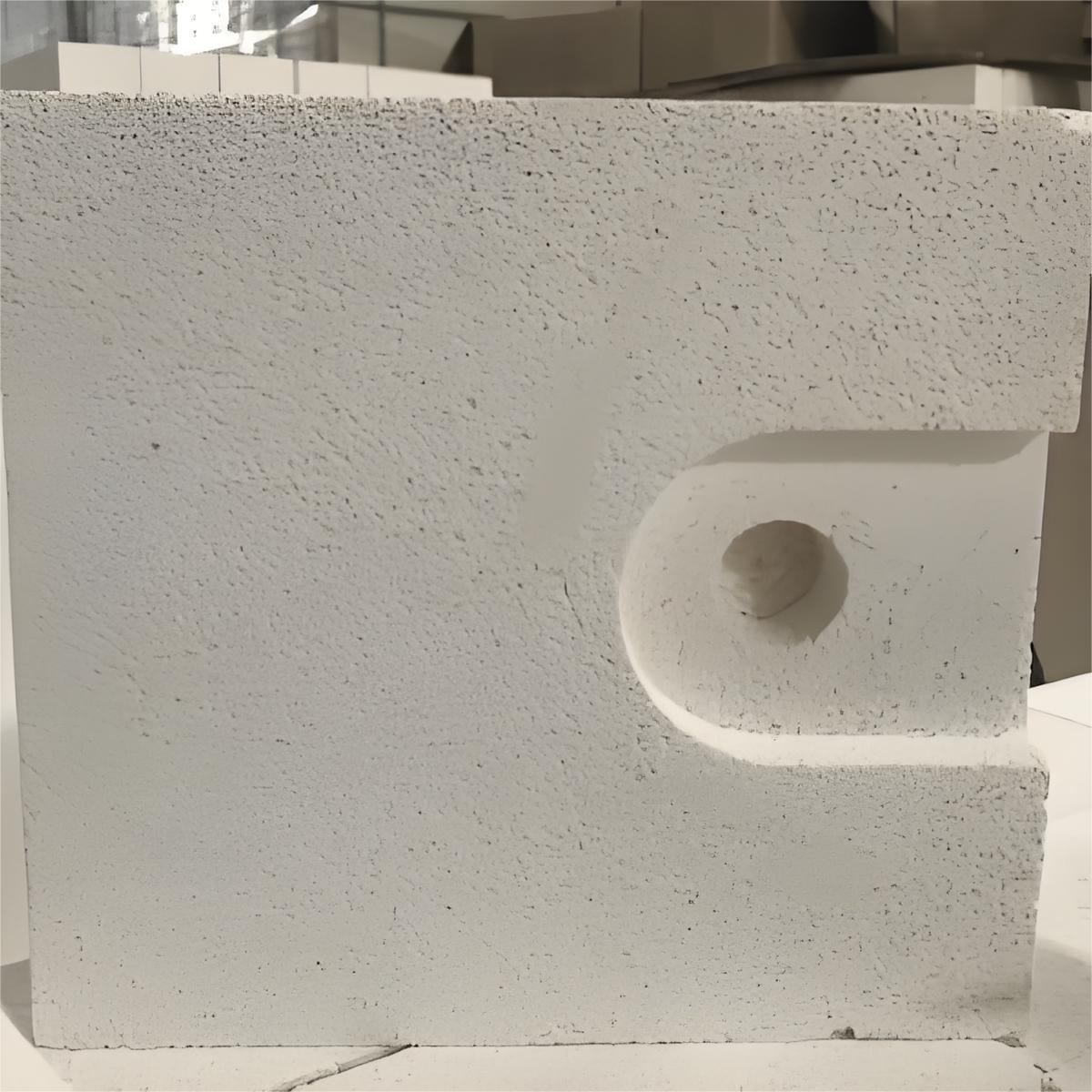
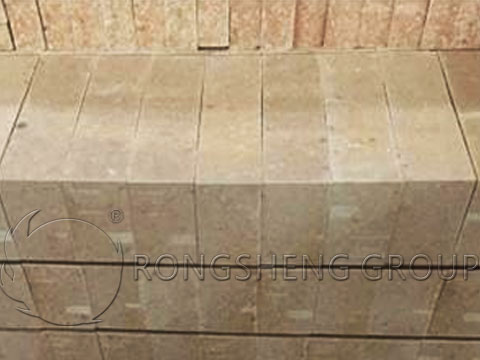
In shaped and unshaped refractories, zircon silicate is frequently introduced to improve resistance to corrosion and erosion in service. It can support more stable microstructures and help reduce premature degradation under thermal cycling.
Operational impact: Many plants report lining life improvements in the range of 5–15% after optimizing zircon-bearing formulations in critical hot-face zones (results vary by slag chemistry and installation quality).
What to monitor: grain sizing, binder compatibility, and corrosion testing against real slag samples—not generic lab melts.
B. Ceramics: Whiteness, Opacity, and Glaze Consistency
For tile, sanitaryware, and tableware manufacturers, zircon silicate is a go-to opacifier to increase brightness and reduce transparency. A well-chosen grade can help the glaze achieve a more uniform visual appearance while maintaining stability across normal firing windows.
Ceramic target
How zircon helps
Process tip
Higher opacity / cleaner white
High RI scattering improves coverage
Ensure dispersion; avoid agglomerates
Stable glaze appearance
More consistent optical response
Control particle size distribution
Fewer appearance-related rejects
Reduced sensitivity to minor firing variation
Run side-by-side kiln trials before ramp-up
C. Glass: Corrosion Resistance and Quality Stability
In glass-related applications, zircon silicate is valued for maintaining stability under high temperatures and helping systems tolerate aggressive melt conditions. Depending on the specific process, it can contribute to improved resistance against chemical attack and help stabilize product quality targets.
In some plants, quality teams observe measurable reductions in defect trends (such as inclusions linked to unstable raw material reactions) after upgrading to tighter zircon specifications and improving incoming QC.
D. Plastics: Premium Visual Effect Without Overcomplicating the Formulation
In plastics and masterbatch systems, zircon silicate can be used to improve whiteness and opacity—particularly where a stable, non-toxic inorganic filler is preferred. The final effect depends strongly on resin type, dispersion method, and target color coordinates.
Practical buying note: Request particle size data (D50/D90) and perform a small compounding trial. In many commercial settings, formulation teams target 1–6% addition as a starting window, then optimize for cost/performance and appearance.
5) Certification, Consistency, and Why International Buyers Ask for “Proof”
In global procurement, zircon silicate is rarely evaluated only by a sample’s immediate visual effect. Buyers typically require stable repeatability across containers, production months, and even raw ore variations. That’s why certification-ready documentation and robust quality control matter as much as the mineral itself.
QC data often requested in RFQs
Chemical composition (ZrO2, SiO2, trace impurities)
Whiteness index / color coordinates (L*, a*, b*)
Particle size distribution (D10/D50/D90)
Moisture and LOI (loss on ignition)
Magnetic content control (for appearance-critical glazes)
Documentation that reduces onboarding friction
COA per batch with measurable tolerances
SDS aligned with GHS formatting
Packaging specs and labeling for cross-border shipping
Retention samples and traceability routines
Support for customer audits when required
6) Reducing Risk in Scale-Up: Technical Support and After-Sales Matter
Even when lab trials look perfect, production reality introduces variables: milling efficiency, water quality, dispersant selection, kiln profiles, furnace atmosphere, and operator shift differences. The suppliers who perform well in international B2B tend to be those who can support customers through scale-up with data, troubleshooting, and continuity.
Rongsheng provides complete technical support and after-sales assurance, helping you scale into stable mass production with confidence. That includes grade selection guidance, reference formulations (where appropriate), documentation preparation for import clearance, and practical recommendations to reduce defect risks in your specific process window.
7) Where High-End Materials Are Heading Next
As refractory, ceramic, and glass manufacturers push for higher energy efficiency and longer campaign life, zircon-based additives are increasingly evaluated not only for immediate property gains but for lifecycle value: fewer shutdowns, less scrap, and tighter product consistency. Demand is also rising for cleaner documentation, traceability, and consistency suitable for international supply chains.
For buyers operating in competitive export markets, the practical question becomes: can your raw material choice protect both technical performance and brand reputation when production volume increases?
Ready to Upgrade Your Formulation with High-Refractive-Index Zircon Silicate?
Get grade recommendations, technical datasheets, and a practical trial plan aligned with your refractory/ceramic/glass process conditions. Rongsheng’s team supports qualification, onboarding documentation, and scale-up troubleshooting—so you can reduce uncertainty and move faster.