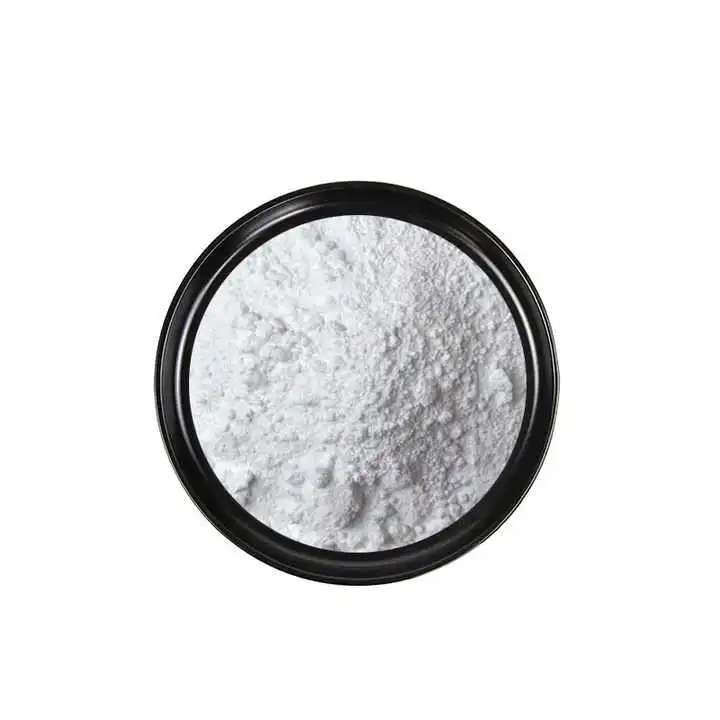
Chemical Inertness (Acid/Alkali Tolerance)
Zircon’s crystal structure provides high resistance to many corrosive media. In practical terms, it reduces interaction with glassy phases and limits contamination-driven defects in firing.

In refractory engineering, materials rarely earn “benchmark” status without delivering repeatable advantages under harsh thermal cycling and chemical exposure. High-refractive zirconium silicate (ZrSiO4)—commonly specified with a refractive index around 1.93–2.01—is one such material. Beyond optical brightness, zircon’s value in refractories is rooted in its chemical inertness, high-temperature stability, and process reliability across multiple industries.
Zirconium silicate is a naturally occurring mineral refined into industrial powder grades for refractory castables, ceramics, glass, and polymer applications. In B2B procurement, it is typically evaluated by a set of practical indicators rather than a single headline number.
| Indicator | Typical Reference Range | Why It Matters in Production |
|---|---|---|
| Refractive index | 1.93–2.01 | Higher opacity/brightness in glazes and coatings; consistent appearance batch-to-batch. |
| ZrO2 content | 63–66% | Impacts refractoriness, corrosion resistance, and stable performance under fluxing conditions. |
| SiO2 content | 32–35% | Contributes to structure stability; helps manage reactions with glassy phases in certain systems. |
| Particle size (D50) | ~1.0–6.0 μm | Controls dispersion, packing density, firing behavior, and surface finish consistency. |
| Whiteness (ISO) | ~75–92 | Directly affects glaze tone, transparency/opacity balance, and “clean” visual appearance. |
| Fe2O3 impurities | ≤0.10–0.25% | Lower iron helps reduce discoloration risk (yellowing/grey tone) at high firing temperatures. |
Note: Values above are industry reference ranges used for technical discussion; final specs depend on grade, ore source, and milling/beneficiation route.
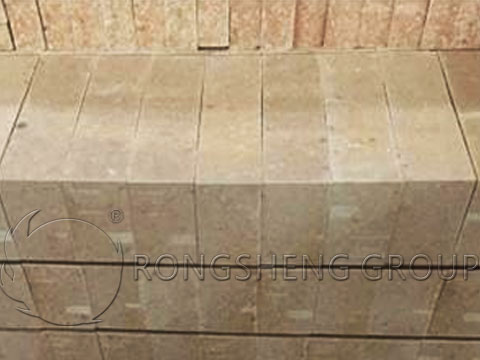
Refractory systems fail in predictable ways: chemical attack by slags/alkalis, microcracking from thermal shock, abnormal sintering that closes porosity too early, and reaction-driven color shifts. Zirconium silicate is widely selected because it resists several of these mechanisms simultaneously.
Zircon’s crystal structure provides high resistance to many corrosive media. In practical terms, it reduces interaction with glassy phases and limits contamination-driven defects in firing.
Industrial furnaces and kiln furniture see repeated heating/cooling. Zircon’s stability helps maintain dimensional reliability and reduces the chance of property drift across long campaigns.
In many formulations, zircon supports a more predictable densification profile. This is valuable when manufacturers must balance strength with permeability and avoid over-firing defects.
In refractory and ceramic systems, zircon is often introduced at 3–15% depending on the target property (corrosion resistance, thermal stability, surface finish) and the base matrix. Fine grades can improve packing and surface uniformity, while coarser fractions may support structural stability in castables.
Castables, ramming masses, kiln furniture, furnace linings, slag-resistant zones.
Glazes and bodies for tiles/sanitaryware; improved opacity and stable tone.
Opacifiers and specialty glass compositions; thermal/chemical stability focus.
Functional filler for opacity, hardness, abrasion resistance, and visual consistency.
In refractory linings, zircon is frequently selected for areas exposed to corrosive slags, molten glass contact, and cyclic thermal loads. Technical teams value zircon when they need a material that supports chemical resistance without introducing unstable reactions that degrade strength over time.
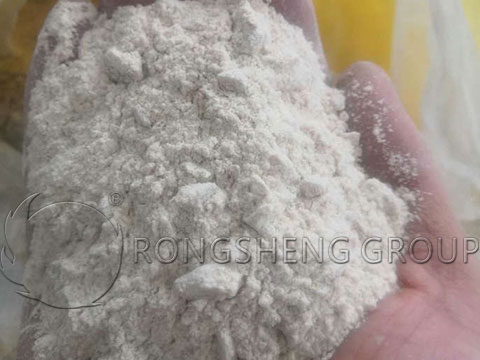
In ceramic glazes and bodies, zircon’s high refractive index translates into stronger light scattering, often used to increase opacity and a “cleaner” surface look. However, real factory value is measured by defect reduction: fewer tone shifts, fewer pinholes linked to unstable reactions, and more consistent gloss across multiple kiln loads.
| Performance Factor | Standard Filler (Typical) | High-Refractive Zircon (Typical) |
|---|---|---|
| Opacity / hiding power | Medium | High (stronger light scattering) |
| Color stability after firing | Variable (impurity-sensitive) | More stable when low-Fe grade is used |
| Gloss uniformity | Medium (batch-dependent) | High (better consistency with controlled PSD) |
| Defect sensitivity (pinholes/black specks) | Medium–High | Lower risk with qualified beneficiation & screening |
In glassmaking, zircon is used in contexts where stability and chemical compatibility matter as much as appearance. Its presence can support controlled opacification and help maintain performance in high-temperature service. Many buyers focus on impurity control, particle size distribution, and batch-to-batch consistency to protect melt stability and visual uniformity.
For polymers and coatings, zirconium silicate can function as a performance filler to improve opacity, hardness, and abrasion resistance. Fine, well-dispersed zircon can help reduce the need for aggressive pigment loading in some formulations, while supporting better surface durability in wear-sensitive applications.
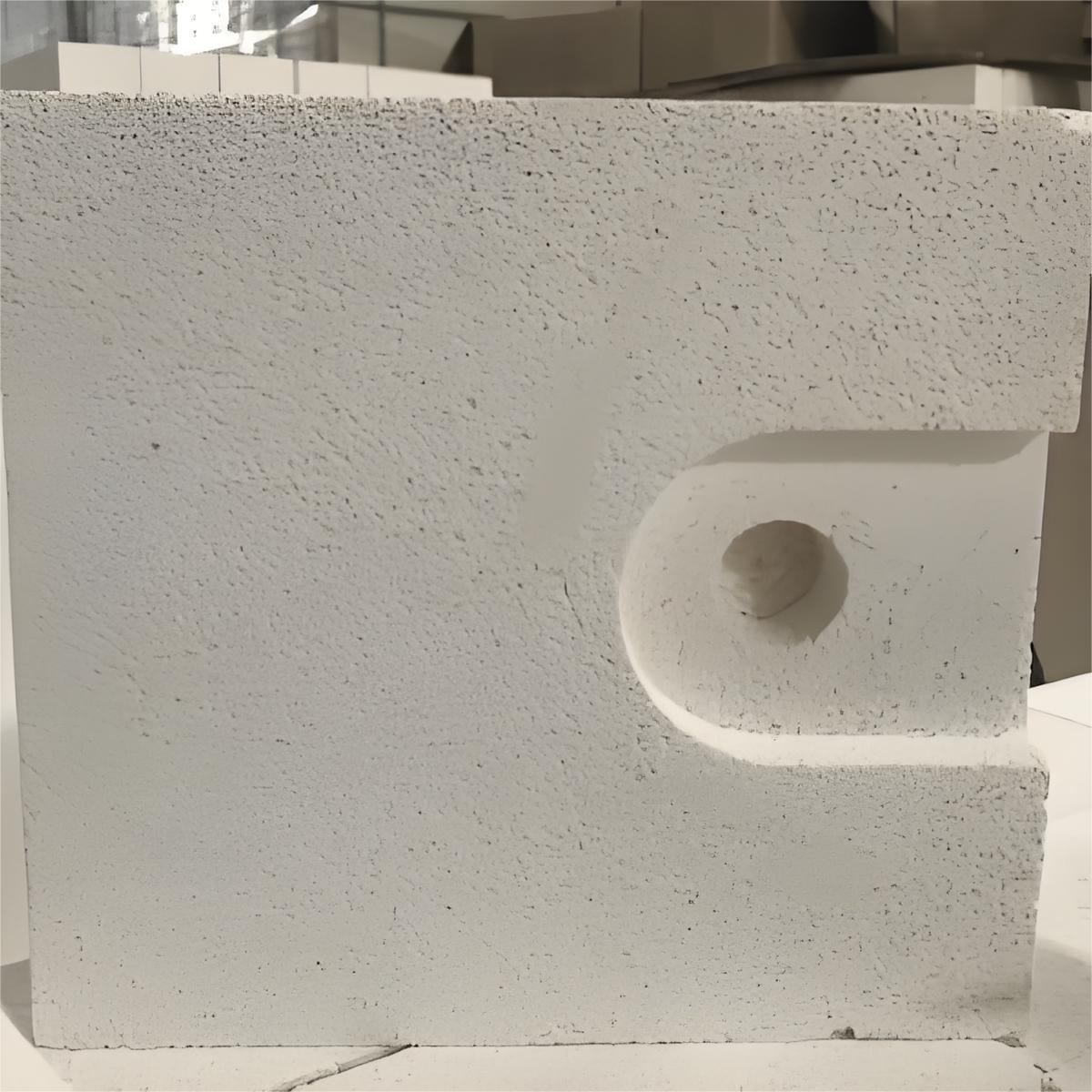
Engineers often discover that “zircon works” is not enough—selection and control determine whether it works predictably. The following issues show up repeatedly across ceramics and refractory processing, and they are closely linked to zircon grade choice and quality control.
Common drivers include iron-bearing impurities and inconsistent beneficiation. Using low-Fe zircon grades and ensuring stable raw material sourcing can reduce tone drift across kiln loads—especially important for white bodies and high-gloss glazes.
Unstable particle size distribution and contamination can create localized reactions and gas release pathways. Consistent milling, screening, and magnetic separation are often used to reduce black specks and firing inconsistencies.
Gloss is not purely cosmetic in premium ceramics—it signals process control. Zircon with controlled particle size can improve surface uniformity and light scattering behavior, contributing to more stable gloss and better perceived quality.
For international buyers, zircon procurement is a risk-management exercise: even small variations in impurities or particle size can translate into visible defects or refractory campaign instability. A robust supply partner typically aligns with widely accepted systems such as ISO 9001 quality management, offers batch traceability, and provides standard documentation including COA, SDS, and export-compliant packaging.
In practical purchasing terms, buyers look for: (1) stable ZrO2 and Fe2O3 control, (2) reproducible PSD reporting (e.g., laser diffraction), (3) contamination prevention in milling and transport, and (4) responsive technical support when a formulation or kiln condition changes.
As refractory and ceramic producers face stricter energy targets and more demanding product specifications, high-refractive zircon remains positioned as a “quiet enabler”: supporting stable production windows, reducing avoidable defects, and improving premium-grade appearance without forcing aggressive process changes. The next wave of demand is likely to center on tighter impurity control, narrower particle distributions, and application-specific grades designed for high-duty zones and advanced ceramic surfaces.
Explore Rongsheng’s high-refractive zirconium silicate options with documented batch control, export-ready documentation, and after-sales technical support designed for real kiln and furnace conditions.