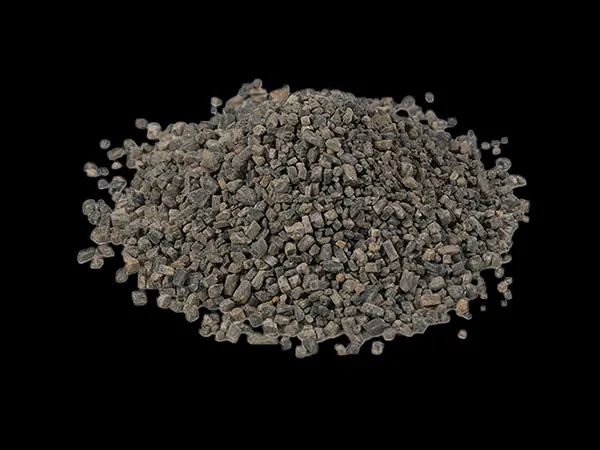
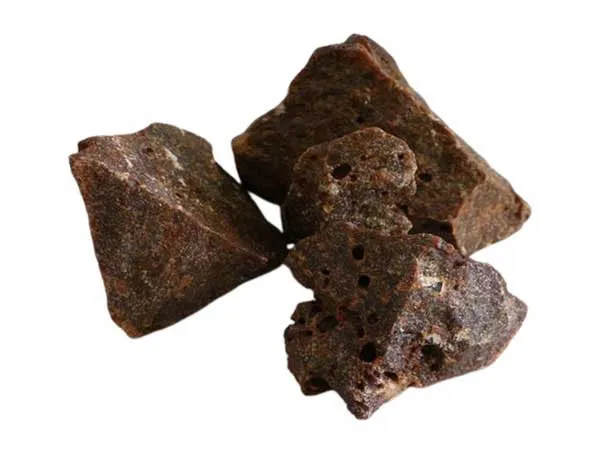
In the high-stakes world of industrial refractories, where temperatures can exceed 1800°C and material performance directly impacts operational efficiency and safety, silicon carbide (SiC) has established itself as an indispensable material. Its exceptional thermal conductivity, wear resistance, and chemical stability make it the material of choice for critical applications ranging from steelmaking furnaces to ceramic kiln furniture. However, what many material engineers overlook is how a seemingly minor factor—particle size—can dramatically influence thermal conductivity and overall performance.
Industry Insight: According to research published in the Journal of the European Ceramic Society, particle size distribution can account for up to 35% variance in thermal conductivity of SiC refractories, even when chemical composition remains constant.
The thermal conductivity of SiC refractories is not solely determined by the intrinsic properties of silicon carbide itself, but significantly influenced by how these particles interact at the microstructural level. Three key mechanisms come into play:
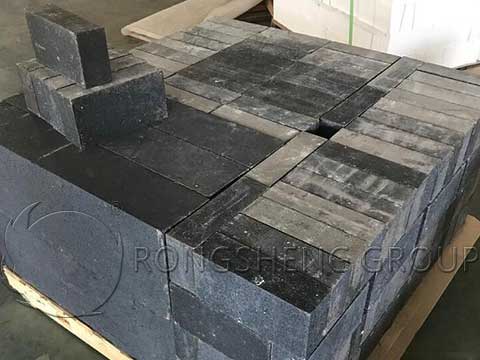
The optimal particle size distribution varies significantly across different industrial applications. Understanding these application-specific requirements is crucial for maximizing performance while controlling costs:
| Application | Optimal Particle Size Range | Primary Thermal Requirement | Performance Benefit |
|---|---|---|---|
| Steel Smelting Furnaces | 5-30μm (blended distribution) | Rapid heat transfer + thermal shock resistance | 15-20% faster heat up times, 30% longer service life |
| Ceramic Kiln Furniture | 10-40μm (graded distribution) | Uniform heat distribution | ±2°C temperature uniformity, reduced product defects |
| Aluminum Reduction Cells | 2-15μm (fine distribution) | High thermal conductivity + corrosion resistance | 5-8% energy savings, extended cell life |
Translating particle size theory into industrial production requires careful process control and testing. Many manufacturers face challenges when scaling up from laboratory formulations to full-scale production, often due to inadequate attention to particle size consistency.
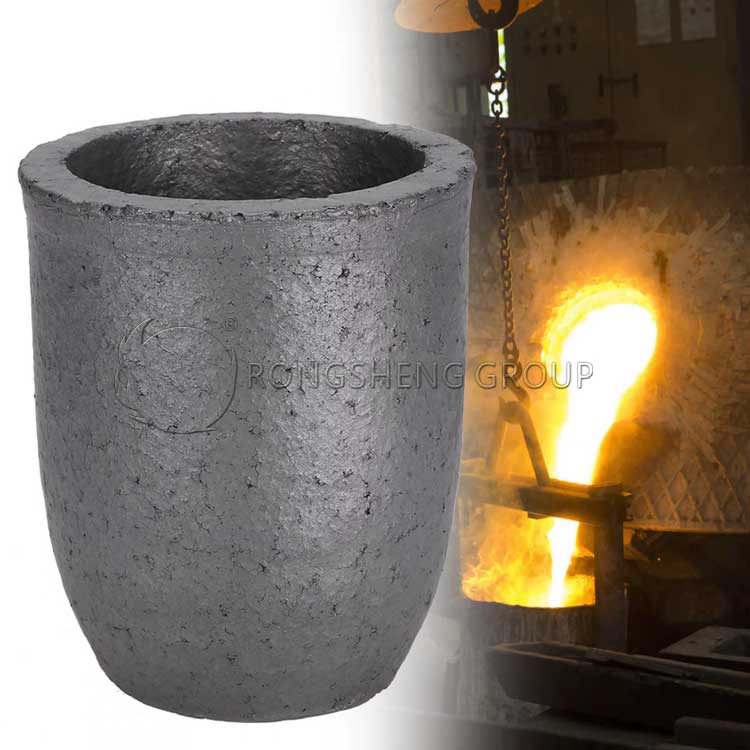
For manufacturers seeking to optimize their SiC refractories, consider implementing this simplified testing protocol:
Even with careful planning, manufacturers often encounter specific challenges related to particle size selection. Here are solutions to some frequently encountered issues:
Often caused by variable particle size distribution in raw materials. Implementing strict incoming material testing with laser diffraction particle size analysis can reduce variability by up to 40%.
Finer particle fractions (below 5μm) can help reduce porosity when properly dispersed. Consider adding 5-10% fine particles to your mix design to improve packing density.

Every industrial application has unique thermal requirements, and a one-size-fits-all approach to silicon carbide particle size rarely delivers optimal results. Whether you're operating in steel production, ceramic manufacturing, or specialized high-temperature processes, customized particle size engineering can provide significant performance advantages.
Our team of material scientists and process engineers specializes in developing tailored silicon carbide particle size distributions that precisely match your thermal conductivity requirements and operating conditions.
Get Your Custom Silicon Carbide Particle Size AnalysisBy partnering with experts who understand the nuanced relationship between particle size and thermal performance, manufacturers can achieve breakthrough improvements in energy efficiency, product quality, and equipment lifespan. The key is recognizing that silicon carbide particle size isn't just a material specification—it's a critical engineering parameter that deserves careful attention and optimization.