Home > News > Optimal Particle Size of Silicon Carbide Powder for Steelmaking Furnace Linings: Advantages of 30-100μm Particles

Optimal Particle Size of Silicon Carbide Powder for Steelmaking Furnace Linings: Advantages of 30-100μm Particles

2026-01-16
This article explores the optimal particle size selection of silicon carbide powder used in steelmaking furnace linings, with a focus on 30-100μm particles and their benefits in enhancing thermal conductivity. It systematically compares the effects of different particle sizes on densification, packing density, and interfacial heat transfer. Drawing on typical industrial case studies from steelmaking furnace linings and ceramic kiln components, the paper elucidates the influence of particle size on material properties. Additionally, it introduces a simplified thermal conductivity testing method and recommends sintering process adjustments to aid the scale-up from laboratory research to mass production. The content is technically robust yet accessible, serving professionals aiming to improve high-temperature refractory material performance.
Graph showing packing density improvement in silicon carbide powders with particle sizes 30-100 micrometers

Optimal Particle Size Selection for Silicon Carbide Powders in Steelmaking Furnace Linings

Silicon carbide (SiC) powders play a pivotal role in the performance of high-temperature refractory materials, notably in steelmaking furnace linings. Among numerous factors influencing thermal efficiency and durability, particle size distribution emerges as a critical parameter affecting heat transfer characteristics and mechanical integrity. This article delves into why a particle size range of 30 to 100 micrometers (μm) is often deemed optimal for silicon carbide powders used in steel furnace linings, addressing physical property variances across sizes, heat conduction effects, and practical industry insights.

Importance of Particle Size in High-Temperature Applications

The effectiveness of refractory linings hinges on their microstructure’s ability to facilitate efficient heat conduction and withstand extreme thermal stresses. Silicon carbide powders with appropriately chosen particle sizes enhance sintering densification, increase packing density, and optimize inter-particle contact, directly impacting thermal conductivity. According to recent studies, heat transfer efficiency can increase by up to 15% when using medium particle sizes (30-100 μm) compared with finer (below 30 μm) or coarser (above 100 μm) fractions.

Industry Insight: While finer powders tend to exhibit higher surface areas, their propensity for agglomeration reduces packing efficiency, thereby limiting thermal conduction improvements. Conversely, excessively coarse particles compromise sintering uniformity, causing microvoids that degrade the refractory’s heat resistance.

Comparative Analysis of Silicon Carbide Particle Sizes

Particle Size Range (μm) Packing Density (g/cm³) Sintering Rate (%) Thermal Conductivity Improvement
Below 30 μm 3.10 70% Baseline
30 – 100 μm 3.30 85% +12 – 15%
Above 100 μm 3.15 75% +5%

Practical Case Studies: Steelmaking Furnace Linings & Ceramic Kilns

In steelmaking furnaces, refractory linings made from silicon carbide powders sized between 30 and 100 μm have demonstrated prolonged service life and improved thermal uniformity. For instance, a major steel plant reported a 10% energy savings and reduced maintenance downtime after adopting mid-range particle size silicon carbide formulations. Similarly, high-temperature ceramic kilns benefit from enhanced densification and crack resistance when employing this particle size range, validating its versatility.
Figure 1: Particle Size Influence on Packing Density in Silicon Carbide Powders

High Aluminium Refractory Castable-2

Heat Conductivity Testing & Sintering Process Optimization

Measuring thermal conductivity efficiently in lab environments can be achieved using laser flash analysis or simplified steady-state methods, which offer reliable estimates of heat transfer behavior in sintered samples. Adjusting sintering parameters—such as temperature (typically 1900–2100°C), holding time, and atmosphere composition—enables tailored densification improvements specifically tuned to the 30–100 μm particle size distribution, ensuring scalability from R&D to industrial manufacturing.

Expert Commentary

"Optimizing particle size is not a one-size-fits-all solution; it requires balancing thermal conductivity with mechanical resilience. The 30 to 100 μm range represents an excellent compromise widely supported by industry data and application experience," states Dr. Linda Gonzalez, Materials Science Consultant.
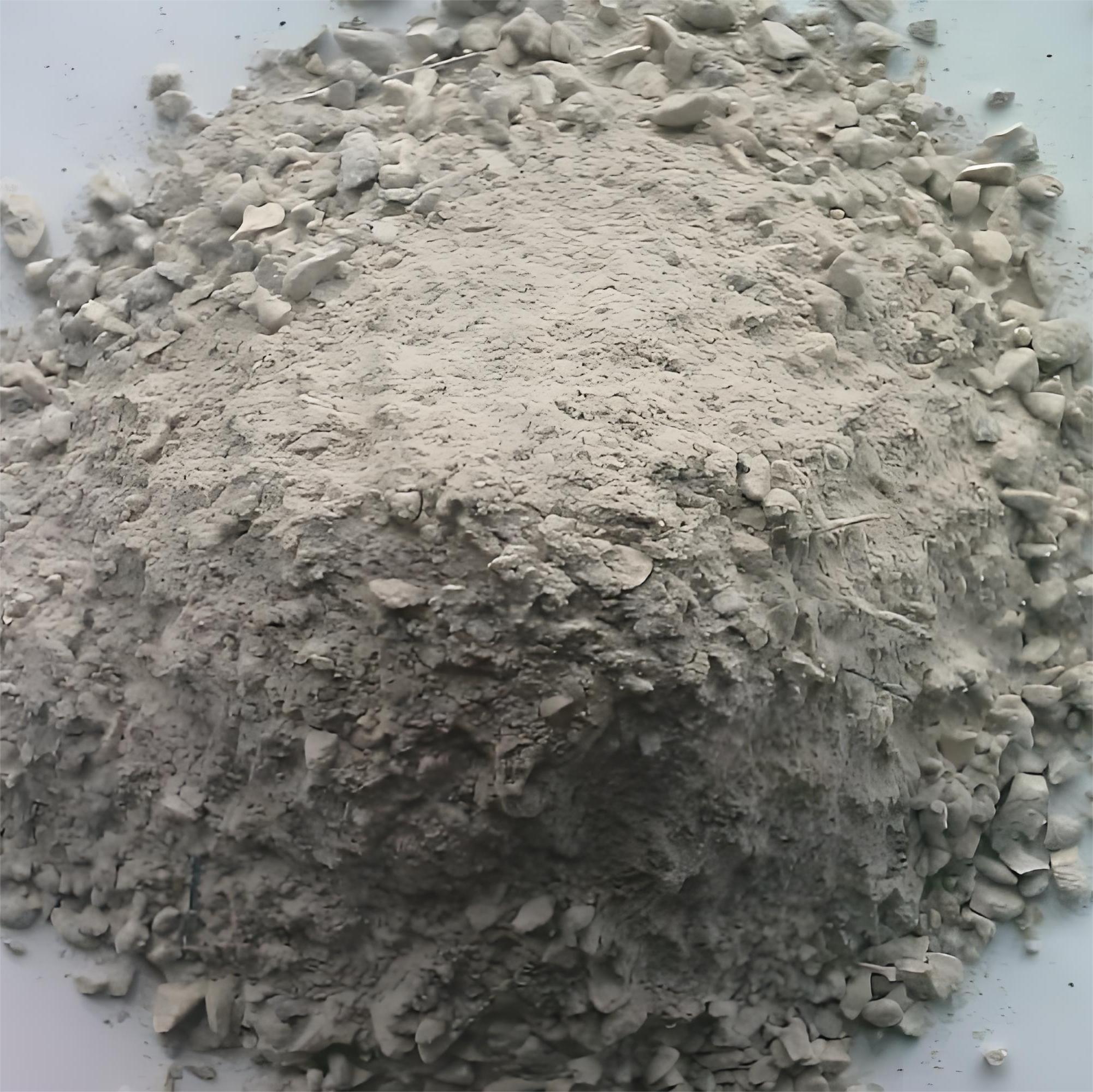
Figure 2: Sintering Temperature Impact on Thermal Conductivity for 30-100 μm Silicon Carbide Powders

73a5b18c75e0089a0bd24f3d177261ba.jpg

Frequently Asked Questions (FAQ)

Q1: Why not use ultrafine silicon carbide powders for furnace linings?
Ultrafine powders tend to agglomerate, hindering uniform packing, reducing sintering effectiveness, and creating microstructural weaknesses that degrade heat transfer.
Q2: How does particle size affect refractory durability?
Medium-sized particles foster better densification and minimize porosity, enhancing mechanical strength and resistance to thermal shock, thereby extending lining lifespan.
Q3: Can particle size distribution be customized for specific applications?
Yes, silicon carbide powder manufacturers provide tailored size gradations to meet unique thermal and mechanical requirements across different industrial uses.

Figure 3: Flowchart of Sintering Process Optimization for Silicon Carbide Powders

Aa233b8679b65445ebacbee70a7581865v.jpg
Name *
Email *
Message*
Recommended Products