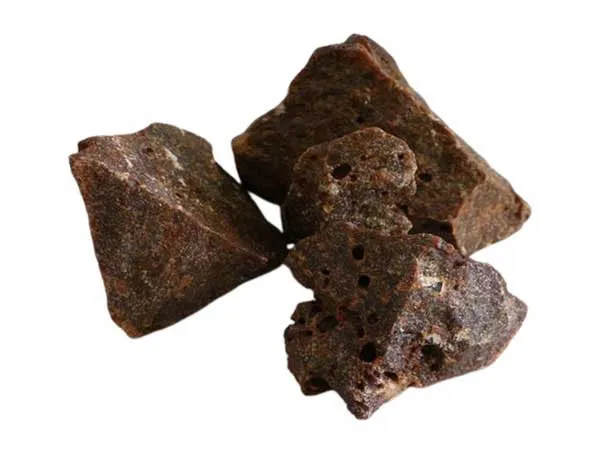
High-purity silicon carbide (SiC) powder has become a cornerstone material in advanced refractory applications, particularly where thermal shock resistance and structural integrity under extreme conditions are critical. With SiC content ranging from 80% to 95%, manufacturers like Rongsheng Refractory offer products that meet stringent international standards such as CE and ISO certifications—ensuring consistent performance across global industrial sectors.
The purity of SiC directly influences its ability to enhance refractory matrix stability during repeated heating and cooling cycles. For instance, impurities like iron oxide or alumina can form low-melting phases that degrade the microstructure at temperatures above 1400°C. In contrast, high-purity SiC (>90%) maintains crystalline integrity, significantly improving抗热震性能 (thermal shock resistance). Field data from steel ladle linings show a 35–40% increase in service life when using 92% pure SiC compared to standard grades.
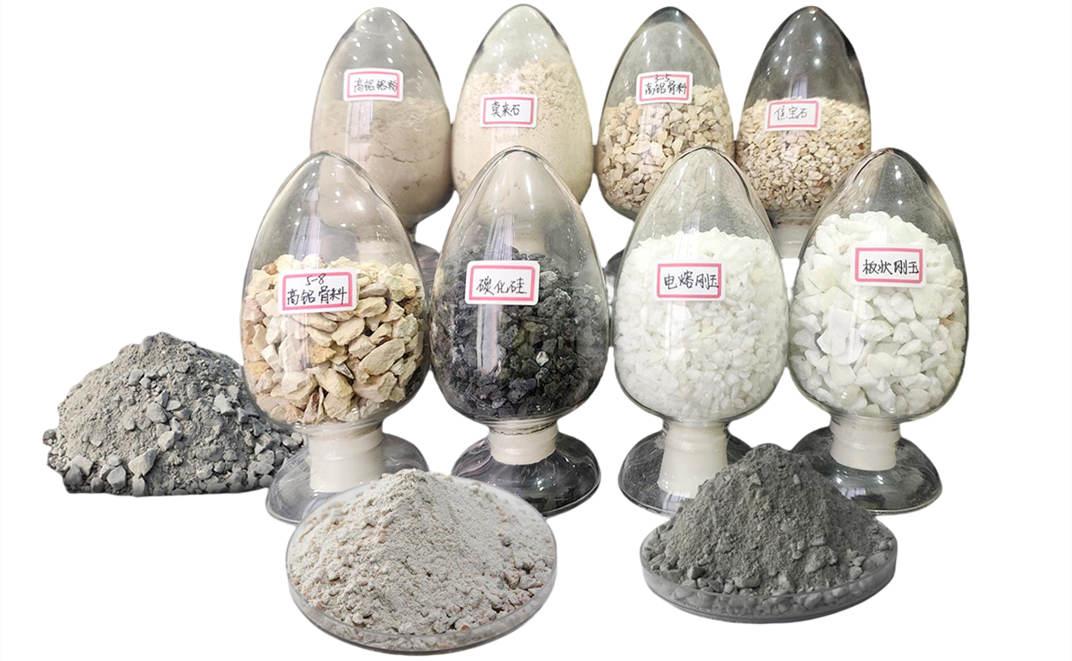
Particle size distribution is not just about fineness—it’s a strategic lever for optimizing green density and sintering behavior. A bimodal distribution (e.g., 1–5 μm + 20–50 μm) enables better packing efficiency than monodisperse powders, reducing porosity by up to 18%. This translates into higher mechanical strength and improved thermal conductivity, both essential for kiln walls and furnace roofs exposed to cyclic thermal stress.
In practice, many users struggle with agglomeration during mixing. Proper dispersion techniques—such as using dispersants compatible with aqueous or organic binders—are crucial. At Rongsheng, we recommend adding 0.5–1.5 wt% of a polyacrylic acid-based dispersant to ensure uniform wetting and prevent sedimentation in slurry formulations.
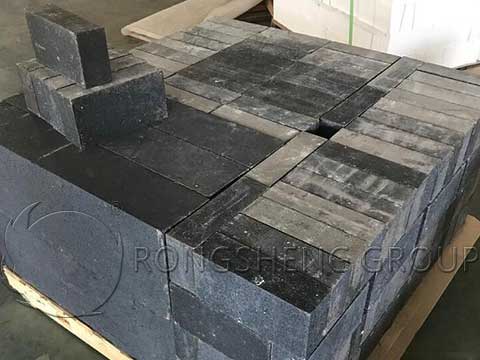
Not all refractory applications are equal. Whether it's a cement kiln operating at 1350°C or an aluminum electrolytic cell reaching 950°C, the ideal SiC formulation must align with specific thermal profiles, chemical environments, and mechanical loads. That’s why leading suppliers now offer tailored solutions—not just off-the-shelf materials.
For example, in petrochemical cracking units where sulfur corrosion is prevalent, ultra-high-purity SiC (95%) combined with nano-alumina additives provides superior erosion resistance over traditional formulations. Similarly, in glass melting tanks, optimized particle grading enhances thermal conductivity while minimizing surface defects—a key factor in preventing cold spots and uneven melting.
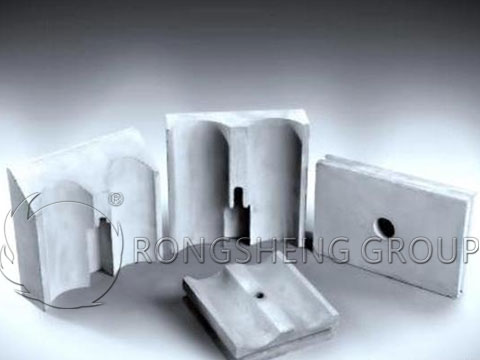
By leveraging decades of experience in refractory raw material development, companies like Rongsheng Refractory deliver not only consistent quality but also flexible customization—helping clients address complex operational challenges without compromising cost-efficiency or long-term reliability.