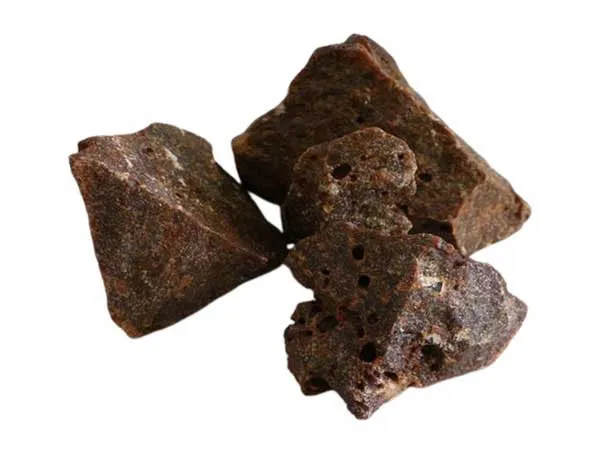
This article explains, from a materials-science perspective, why high-purity silicon carbide (SiC) powder can maintain stable thermal conductivity in high-temperature service environments above 1200°C, and how this stability works together with SiC’s inherent wear resistance to extend component life. By focusing on SiC’s robust crystal structure and strong covalent bonding, it clarifies how reliable heat transfer helps minimize temperature gradients, suppress local hot spots, and reduce thermally induced stress concentrations that typically initiate cracking. The discussion links these mechanisms to improved thermal shock resistance in demanding industrial conditions. Typical use cases—including abrasive manufacturing and furnace lining patching/repair—are used to illustrate practical performance benefits such as more stable operation, reduced spalling risk, and better surface integrity under combined heat and abrasion. The article also provides field-oriented maintenance and inspection guidance to support long-term, reliable high-temperature operation, and highlights Zhengzhou Rongsheng Kiln Refractory Co., Ltd.’s capability to provide customized material solutions and technical support for specific process requirements.
Why Silicon Carbide Powder Keeps Thermal Conductivity Stable Above 1200°C—and Why That Matters for Thermal Shock Resistance
In high-temperature production lines, “heat” is rarely the only problem. The real enemy is uneven heat—local hot spots, rapid temperature swings, and the stress cycles that silently accumulate until a lining cracks, a repair patch spalls, or a wear surface loses integrity.
High-purity silicon carbide (SiC) powder—such as the grades manufactured by Zhengzhou Rongsheng Kiln Refractory Co., Ltd.—is valued not just for withstanding extreme temperatures, but for maintaining a surprisingly stable heat-transfer behavior even in harsh service. That stability is one of the reasons SiC-based systems often show an edge in thermal shock resistance and long-term reliability.
Thermal Conductivity at High Temperature: The “Hidden” Stability Advantage
Thermal conductivity is frequently treated like a catalog number. In real furnaces, kilns, and wear-heavy hot zones, it becomes a stress-management tool. When conductivity is stable, heat spreads more evenly; when it drops sharply with temperature or degrades due to impurities, the system becomes vulnerable to localized thermal gradients.
Reference Data (Typical Industrial Ranges)
Actual numbers vary by purity, particle size distribution, and microstructure. The following ranges are widely referenced for engineering estimation:
Material (Dense/Solid Reference)
~25°C Thermal Conductivity
~1200°C Thermal Conductivity
What It Means in Service
High-purity SiC (α/β mixture)
~120–200 W/m·K
~40–80 W/m·K
Spreads heat quickly, reduces hot spots, supports thermal shock resistance
Alumina (Al2O3)
~20–35 W/m·K
~8–15 W/m·K
Lower heat spreading can amplify gradients in rapid cycles
Mullite (3Al2O3·2SiO2)
~4–6 W/m·K
~2–3 W/m·K
Good refractoriness but limited heat equalization capability
Note: Powder beds and bonded refractories show lower effective conductivity than dense solids due to porosity and contact resistance; the trend and relative ranking remain meaningful for design decisions.
Even though SiC’s thermal conductivity generally decreases as temperature rises (a normal phonon-scattering effect in crystalline solids), high-purity SiC tends to remain “usefully conductive” in hot zones where many alternatives become sluggish at moving heat. In practical terms, it helps keep temperature fields flatter—especially near the working surface where thermal gradients trigger stress.
Material Science, Explained Simply: Why the SiC Crystal Structure Stays Reliable
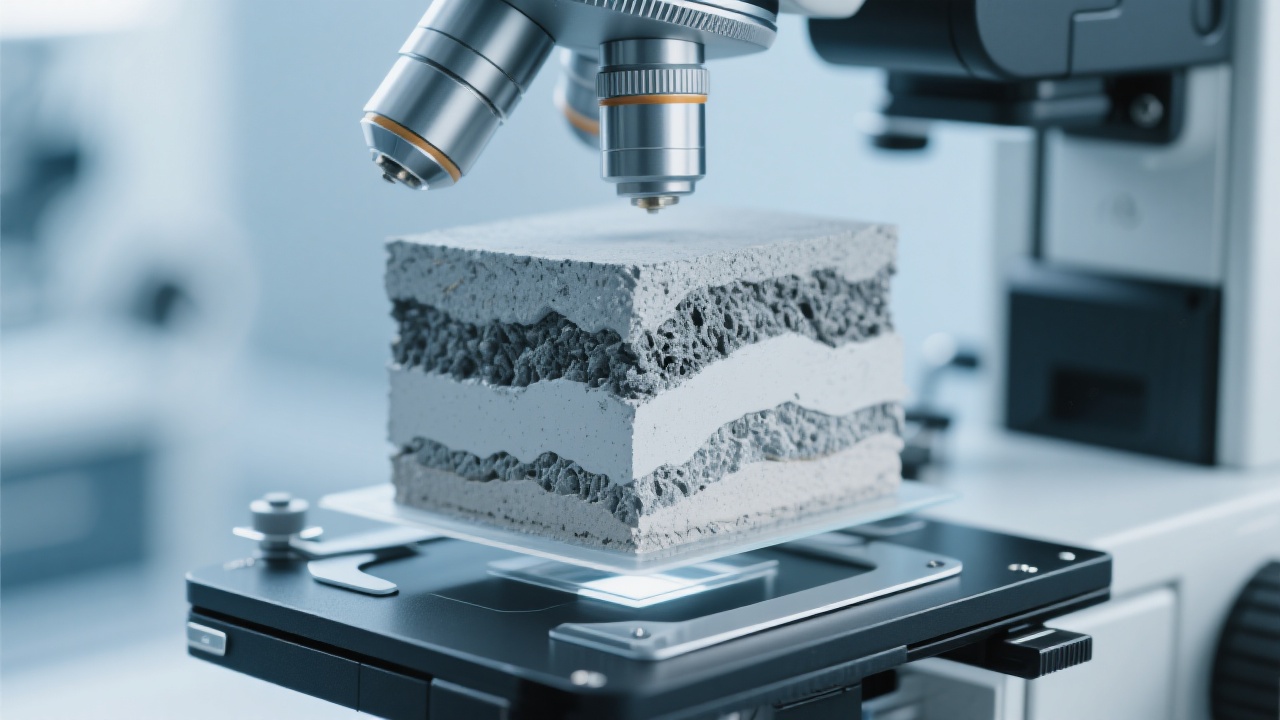
Silicon carbide is built from strong covalent bonds between silicon and carbon atoms. This bond network is one reason SiC is known for high hardness, chemical stability, and the ability to keep its structure in demanding thermal environments.
1) Stable lattice, stable pathways for heat
Heat in ceramics moves mainly through lattice vibrations. When the lattice remains orderly (and not disrupted by excessive impurities or glassy phases), heat transfer stays more predictable—supporting thermal stability at operating temperatures above 1200°C.
2) Purity matters more than many buyers expect
Trace oxides, free silica, or unintended phases can form weak boundaries that act like “thermal traffic jams.” High-purity SiC powders help reduce those boundary effects, which is one reason they’re favored for performance-focused wear parts and hot-zone repair systems.
3) Thermal conductivity helps prevent the first crack
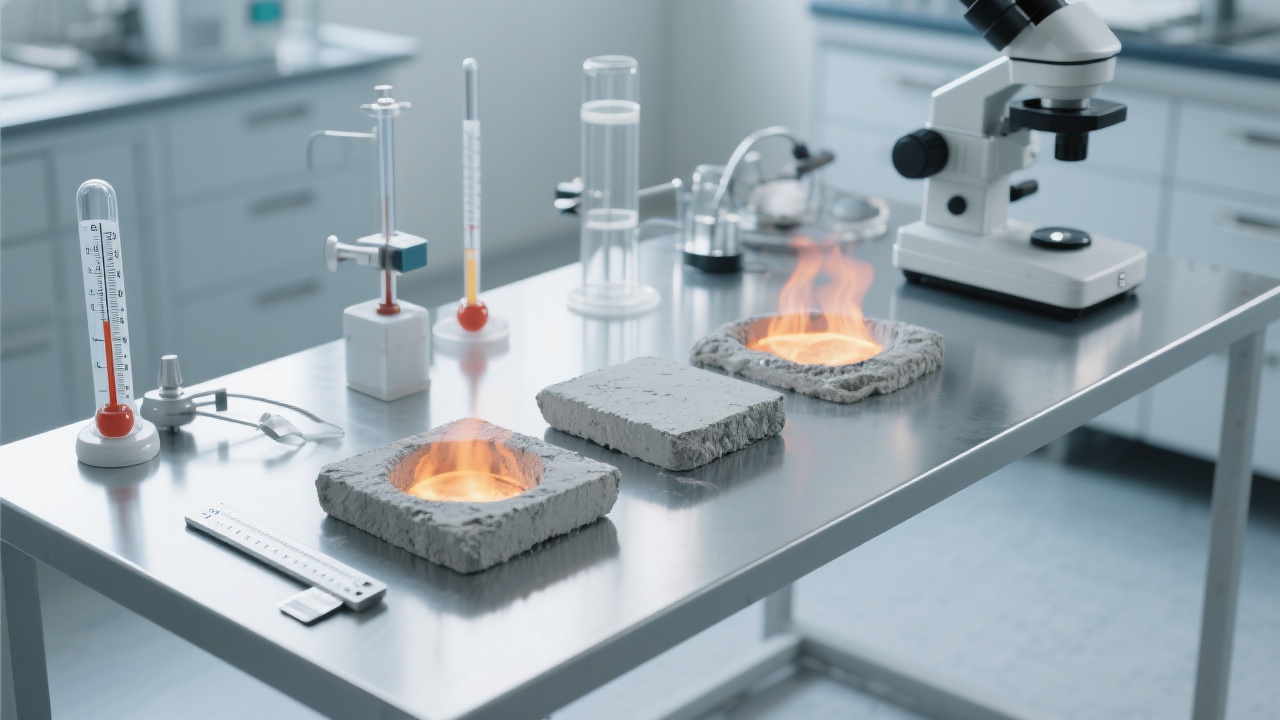
Thermal shock often begins with one area heating or cooling faster than the rest. Better heat spreading reduces the peak gradient, lowering thermal stress—and delaying the crack initiation that later becomes spalling or structural failure.
The Wear Connection: Why Hardness Supports Thermal Shock Performance
Thermal shock and wear are often treated as separate issues. In the field, they reinforce each other. When a hot-face surface wears unevenly, it becomes rougher and more porous, trapping heat and creating micro hot spots. Those hot spots accelerate crack growth during cycling.
SiC’s hardness advantage (practical reference)
Silicon carbide is commonly referenced at ~9–9.5 Mohs (close to diamond), which is why it’s widely used in abrasive and wear-lining systems. A harder working surface tends to stay flatter and cleaner for longer—supporting more uniform heat transfer and reducing stress concentration sites.
Forms protective SiO2 layer in many oxidizing conditions
Can slow surface attack (depends on atmosphere and flux)
Where It Shows Up in Real Plants: Two Typical Use Scenarios
A) Abrasive manufacturing and wear-heavy processing
In grinding and abrasive applications, buyers often focus on particle size and hardness. But thermal behavior matters too—especially where frictional heating is present. SiC powder’s combination of wear resistance and heat spreading can support consistent performance and reduce thermal damage mechanisms during aggressive duty cycles.
When selecting a grade, industrial users typically check purity, PSD consistency, and contaminant control—because unstable impurities can translate into unstable field behavior.
B) Furnace lining patching and hot-face repair
For furnace patching, the highest risk window is often startup, shutdown, and unplanned thermal cycling. If a repaired area conducts heat poorly, it can become a localized hot region that expands differently than surrounding refractories. That mismatch is a classic trigger for edge cracking and spall-off.
SiC-containing repair mixes, coatings, or castable systems are often chosen to help reduce temperature gradients at the interface—supporting stronger survival odds in aggressive thermal cycles.
Field Maintenance & Inspection: Simple Practices That Protect Long-Term Performance
Even the best high-temperature materials can underperform if the site conditions create avoidable gradients. For plants running above 1200°C, three practical routines tend to deliver outsized returns:
1) Track hot spots early (not after damage)
Use IR scanning during stable operation to identify abnormal temperature peaks. A repeated hot spot is often an early signal of thickness loss, poor bonding, or a developing crack network.
2) Control ramp rates where possible
When process allows, reduce the steepness of heating/cooling ramps, especially after repairs. Many thermal shock failures are tied to transient events rather than steady-state temperatures.
3) Verify material consistency before installation
For powders used in mixes, consistent particle size distribution and low contamination reduce variability. Where required, confirm key indicators such as SiC content, free carbon, and oxide levels based on your application environment.
“In many high-temperature lines, reliability improves not by chasing maximum temperature rating, but by reducing temperature difference across the hot face. Stable thermal conductivity is one of the simplest ways to do that.”
Need a Grade That Matches Your Process Conditions?
Different kilns, atmospheres, and wear mechanisms demand different SiC powder specifications—purity targets, particle size distribution, and compatibility with your binder or castable system. Zhengzhou Rongsheng Kiln Refractory Co., Ltd. supports industrial customers with customized silicon carbide powder selection, application guidance, and technical coordination from trial to long-run operation.
Get a Custom Silicon Carbide Powder Recommendation for High-Temperature, Thermal-Shock Service
Share your operating temperature range, atmosphere (oxidizing/reducing), thermal cycling pattern, and wear mode. The team can propose a suitable SiC powder grade and supporting technical notes for your application.