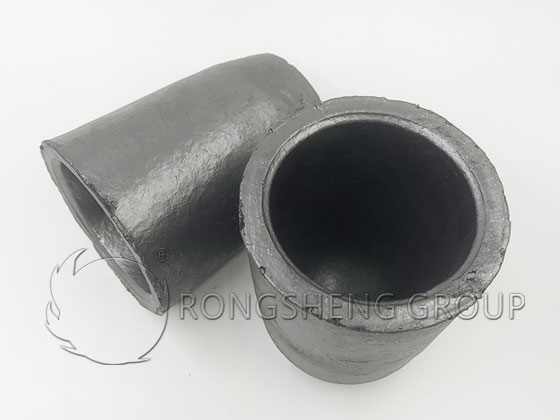
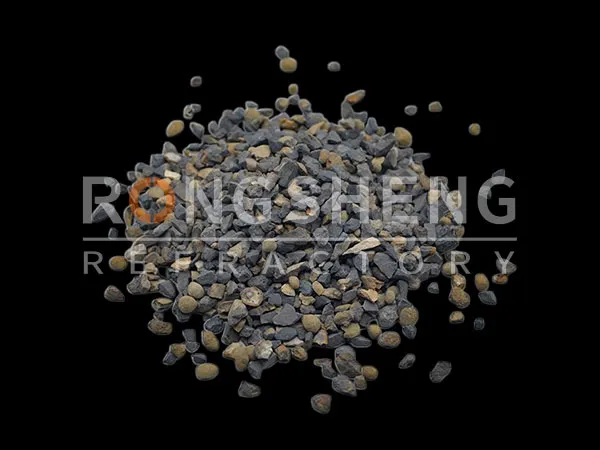
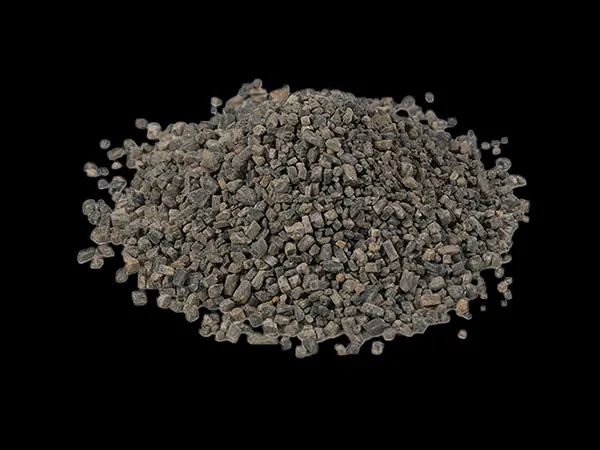
For engineers and technical decision-makers working with high-temperature systems—especially in metallurgy, ceramics, and refractory applications—the thermal conductivity of raw materials is not just a number—it’s a performance driver. At Rongsheng Refractory Materials, our proprietary high-purity silicon carbide (SiC) powder has demonstrated consistent thermal conductivity values between 120–140 W/m·K at 1000°C, significantly outperforming traditional refractories like alumina (~30 W/m·K) and mullite (~25 W/m·K).
The exceptional heat transfer efficiency of SiC stems from its strong covalent bonding network and hexagonal crystal lattice structure. Unlike amorphous or polycrystalline materials that scatter phonons (heat-carrying vibrations), SiC’s ordered atomic arrangement allows phonons to travel with minimal resistance. This explains why even at elevated temperatures, the thermal conductivity remains stable—a key factor in maintaining uniform heating profiles in kilns and furnaces.
Our internal testing shows that reducing iron, aluminum, and calcium content below 0.5% (by weight) boosts thermal conductivity by up to 18%. These impurities act as phonon scattering centers—like potholes on a highway—that slow down heat propagation. Rongsheng’s advanced purification process ensures a purity level exceeding 99%, making our SiC powder ideal for precision applications where thermal uniformity directly impacts product quality.
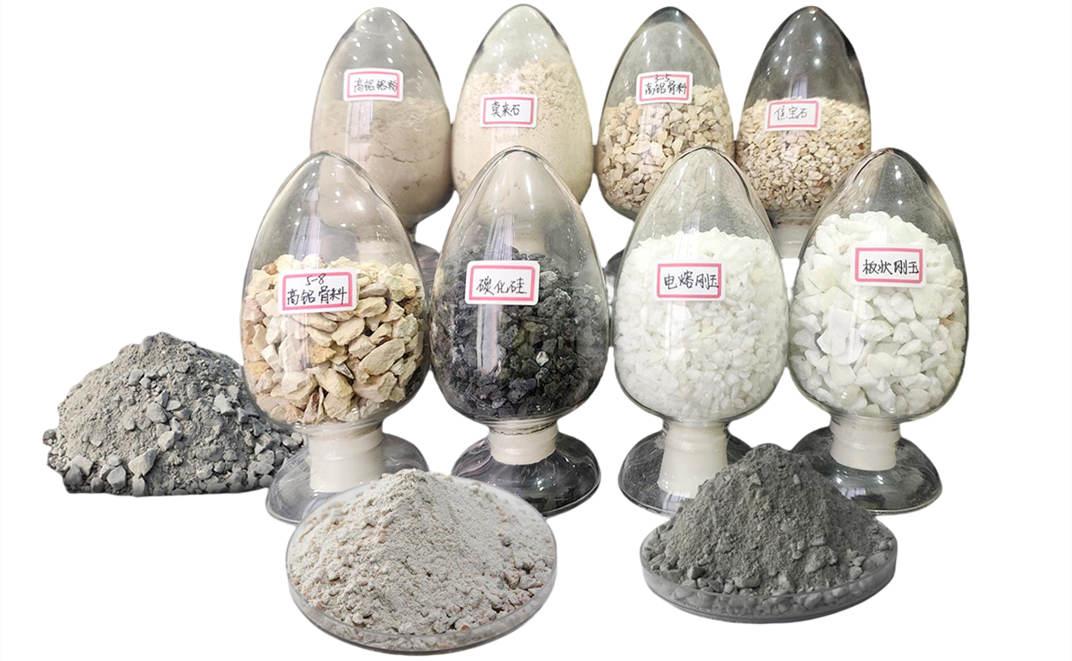
While finer particles improve packing density, they also increase interfacial resistance. Our optimal particle size range (D50 = 10–20 μm) strikes a balance between good flow characteristics during casting and efficient heat conduction across grain boundaries. Field data from a steel foundry in Germany confirms a 12% reduction in energy consumption when using Rongsheng’s SiC-based refractory castables compared to conventional mixes.
In ceramic manufacturing, faster heat-up times reduce cycle duration without compromising sintering quality. One Chinese tile producer reported a 15% increase in throughput after switching to SiC-enhanced kiln linings. Similarly, in continuous casting operations, improved thermal management extended lining life by over 20%, minimizing downtime and maintenance costs.
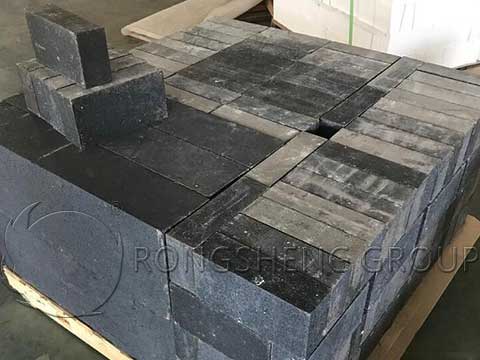
Whether you're designing a new furnace system or optimizing an existing one, understanding how microstructure translates into macro-level performance is critical. At Rongsheng, we don’t just supply materials—we provide engineering-grade solutions backed by real-world validation and scientific rigor.
Let us help tailor the right SiC powder formulation—whether it's ultra-fine for injection molding or coarse for ramming mixes—to match your exact process requirements. Our team includes material scientists and application engineers ready to support your next innovation.
Get Your Free Technical Consultation Today