

Silicon carbide (SiC) powder has emerged as a critical material in high-temperature industrial systems due to its exceptional thermal conductivity—often exceeding 100 W/m·K at room temperature and remaining stable up to 1400°C. This performance is not accidental but rooted in the crystal structure, purity level, and particle morphology of the material.
The hexagonal 4H-SiC polytype exhibits superior phonon transport characteristics compared to cubic 3C-SiC. In this structure, atoms are tightly packed in layers with strong covalent bonding, allowing efficient heat propagation through lattice vibrations (phonons). Studies show that SiC’s thermal conductivity can be 2–3× higher than alumina (Al₂O₃) under similar conditions—an advantage leveraged in kiln linings, crucibles, and heat exchangers.
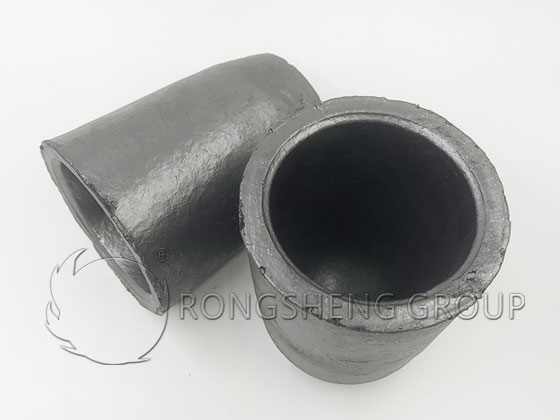
Even trace impurities like iron, aluminum, or boron significantly increase phonon scattering, raising thermal resistance. For example, a study by the International Journal of Refractories found that reducing total impurity content from 500 ppm to 50 ppm increased effective thermal conductivity by over 18%. This explains why high-purity SiC powders—from manufacturers such as Zhengzhou Rongsheng Refractory Materials Co., Ltd.—are preferred in precision applications where consistent heat transfer is essential.
Optimizing particle size distribution—typically between 1–50 μm—enhances both sintering behavior and thermal continuity in molded components. Smaller particles improve packing density, while larger ones reduce interfacial resistance. A case study from a steelmaking furnace in China demonstrated that using a bimodal SiC powder blend reduced thermal gradients by 22%, extending refractory life by more than 15%.
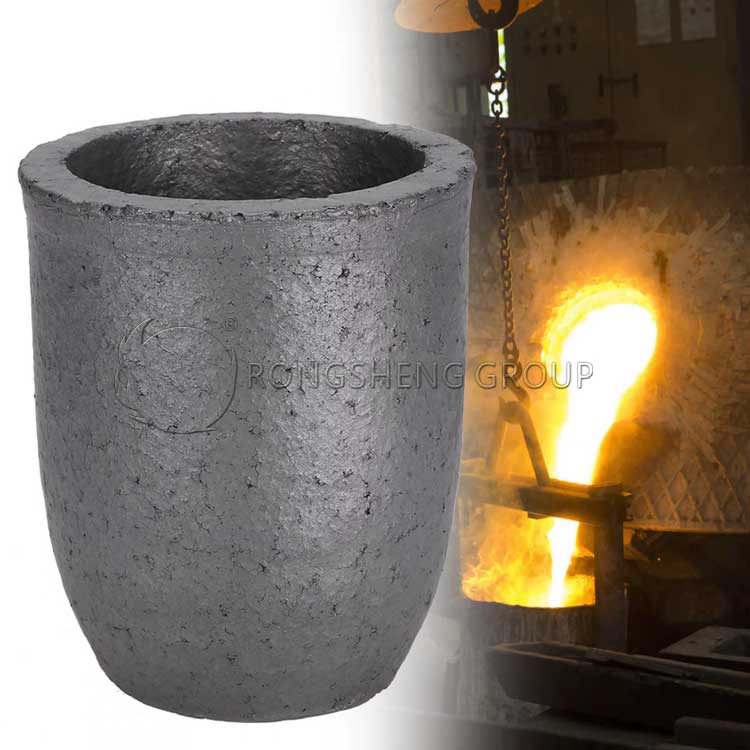
In industries ranging from metallurgy to advanced ceramics, selecting the right SiC powder means choosing a balance of structural integrity, purity, and processability. As equipment operates at increasingly higher temperatures, understanding these factors becomes crucial—not just for efficiency, but for long-term operational safety and cost savings.
“When it comes to thermal management in extreme environments, silicon carbide isn’t just an option—it’s a necessity.” — Dr. Li Wei, Senior Materials Engineer, National Institute of Advanced Ceramics


