Engineers working in metallurgy, ceramics, and high-temperature furnace design often ask: why does silicon carbide (SiC) powder outperform alumina (Al₂O₃) in thermal conductivity? The answer lies not just in material choice—but in crystal structure, purity control, and particle engineering.
At the atomic level, SiC’s hexagonal wurtzite structure allows for efficient phonon propagation—quantum vibrations that carry heat through solids. In contrast, alumina's corundum lattice has more scattering centers due to its lower symmetry. According to ASTM C177 standards, pure SiC powder can achieve thermal conductivity values up to 120–150 W/m·K, while high-purity alumina typically ranges between 20–30 W/m·K. This difference is critical when designing refractory linings or heat exchangers where rapid heat dissipation matters.
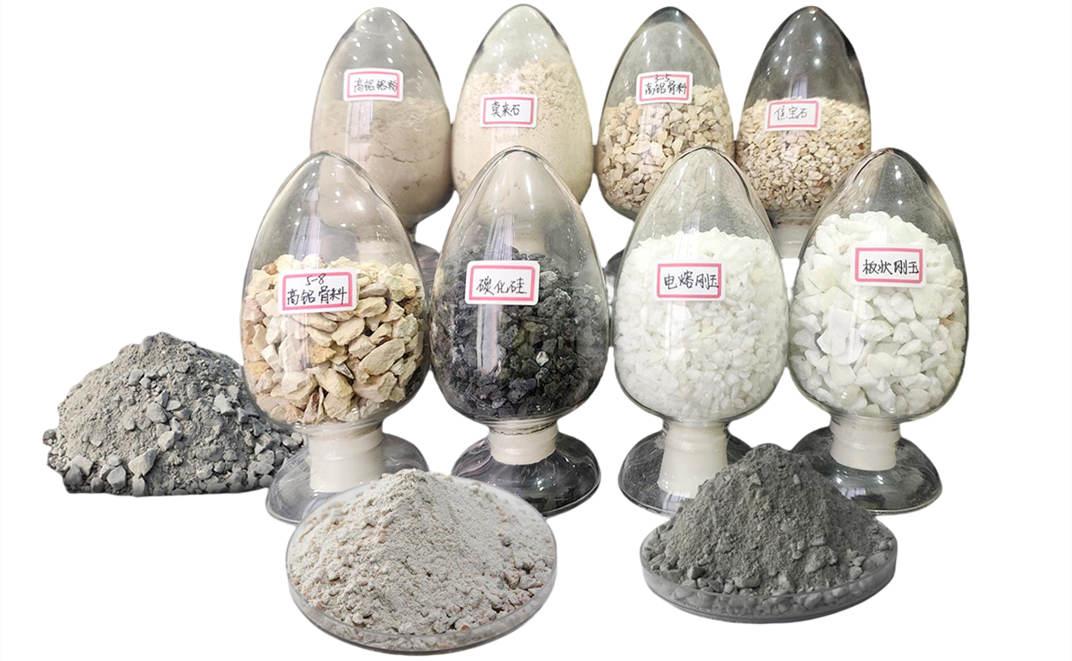
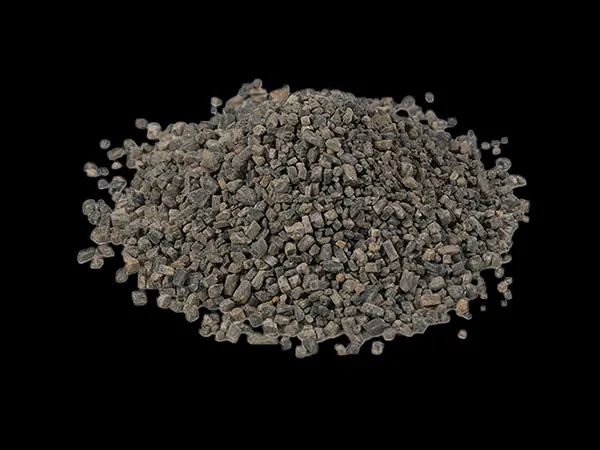
Even small amounts of impurities like iron oxide (Fe₂O₃) or calcium oxide (CaO) disrupt phonon flow in ceramic powders. For example, a study published in the Journal of the European Ceramic Society found that increasing Fe₂O₃ content from 0.1% to 1.0% reduced SiC’s thermal conductivity by nearly 25%. At Rongsheng Refractories, we maintain strict control over raw materials—ensuring our SiC powder contains less than 0.05% total impurities, which minimizes phonon scattering and maximizes performance in real-world applications.
It’s not only about what you use—it’s how it’s packed. Well-graded SiC particles (typically 0.5–10 µm range) improve packing density and reduce interfacial resistance between grains. In industrial kilns, this leads to better heat transfer efficiency and longer lining life. Case in point: a steel plant in Germany reported a 12% increase in energy efficiency after switching to custom-sized SiC powder from Rongsheng, reducing downtime and maintenance costs significantly.
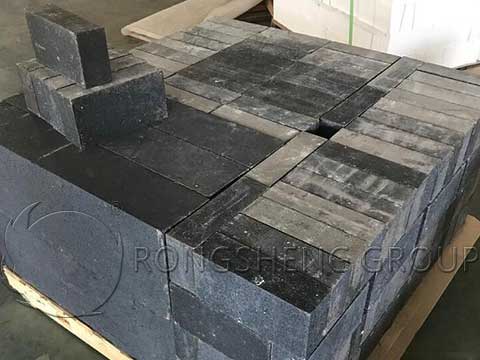
Whether you're developing advanced refractory bricks for blast furnaces or optimizing thermal management in electric arc furnaces, understanding these micro-level mechanisms empowers smarter material selection. And when precision matters—like in aerospace-grade ceramics or semiconductor processing equipment—the edge goes to engineered solutions, not generic ones.