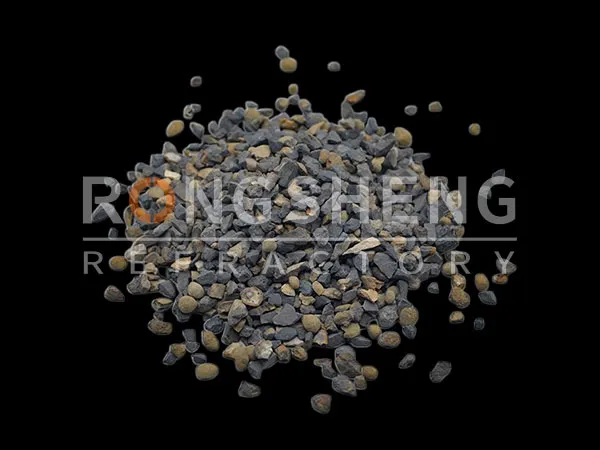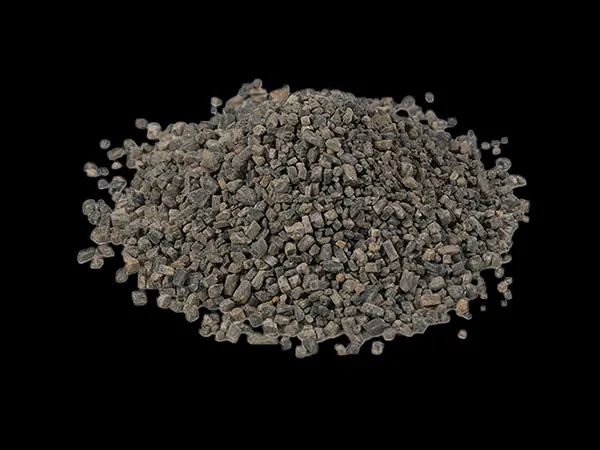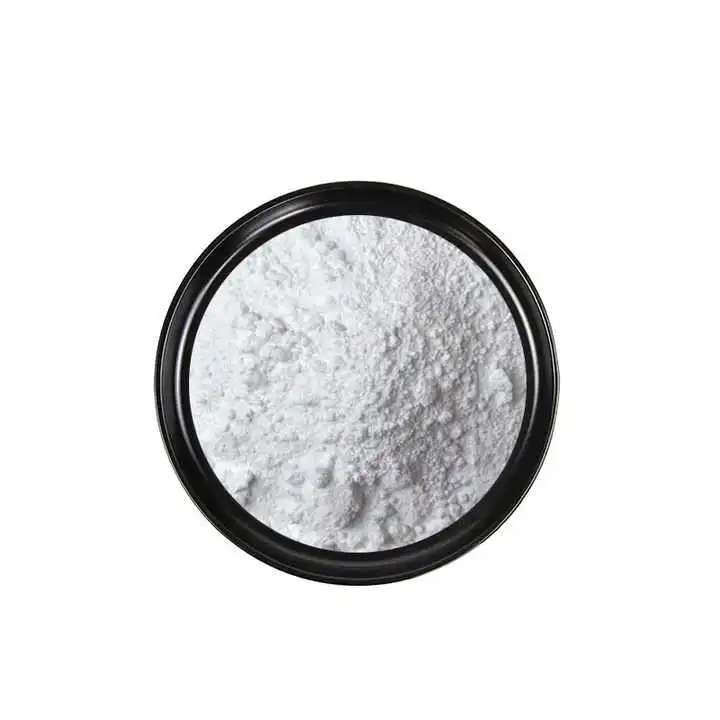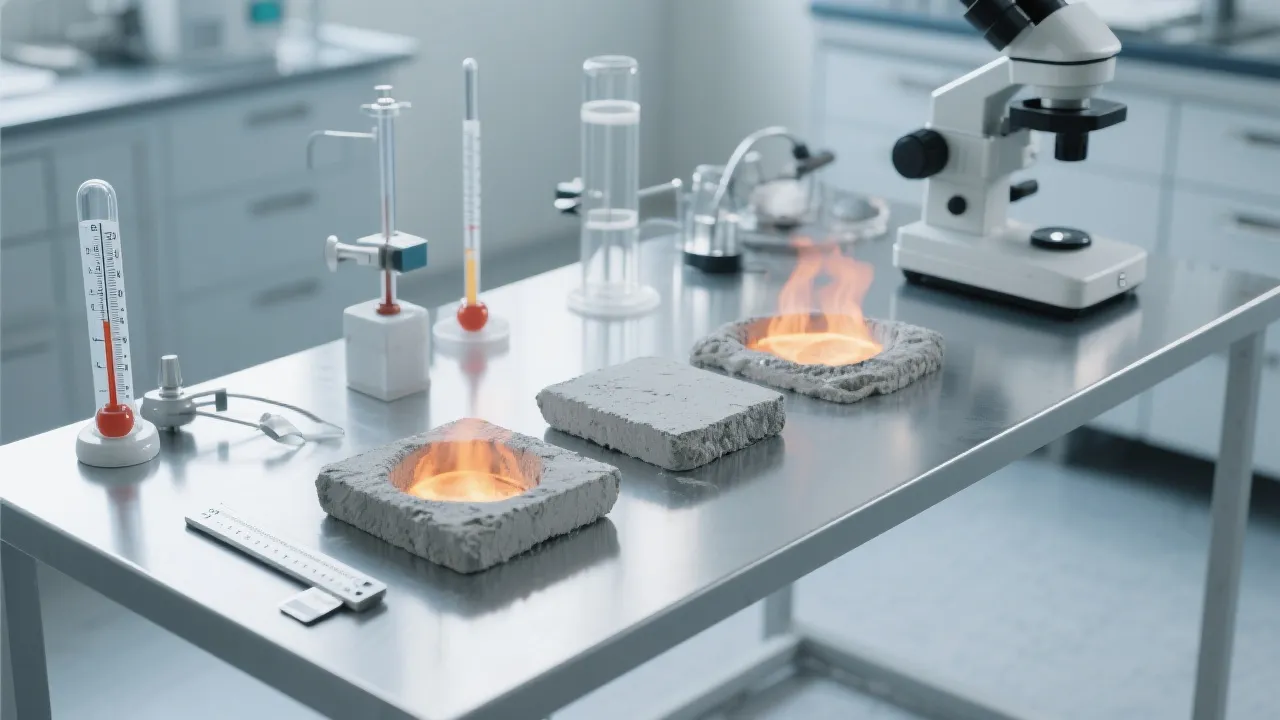
In modern glass formulations—especially those targeting higher durability, tighter dimensional stability, or more demanding thermal cycles—zirconium silicate (ZrSiO4) is not a “nice-to-have” additive. It is a functional component that can shift the balance between optical performance, chemical resistance, and the mechanical reliability that end users feel as “tough glass.” This article unpacks how zirconium silicate works in glass, what quality indicators matter most, and how procurement teams can secure stable performance while keeping supply risk under control.
Zirconium silicate is valued in glass and glass-ceramic systems because it combines high refractive index, excellent chemical stability, and high thermal resistance. In many batches it acts as an “insurance policy” against property drift—helping plants maintain more consistent performance from melt to finished product.
Zirconium silicate is widely referenced across ceramics and glass supply chains under common quality frameworks (e.g., ISO 9001 manufacturing control) and chemical analysis practices aligned with ASTM/ISO methods (such as XRF-based elemental verification). Buyers often request COA + traceable test records to ensure reproducibility in continuous production.
The effect of zirconium silicate depends on the base glass chemistry and thermal profile, but three mechanisms show up repeatedly in practice:
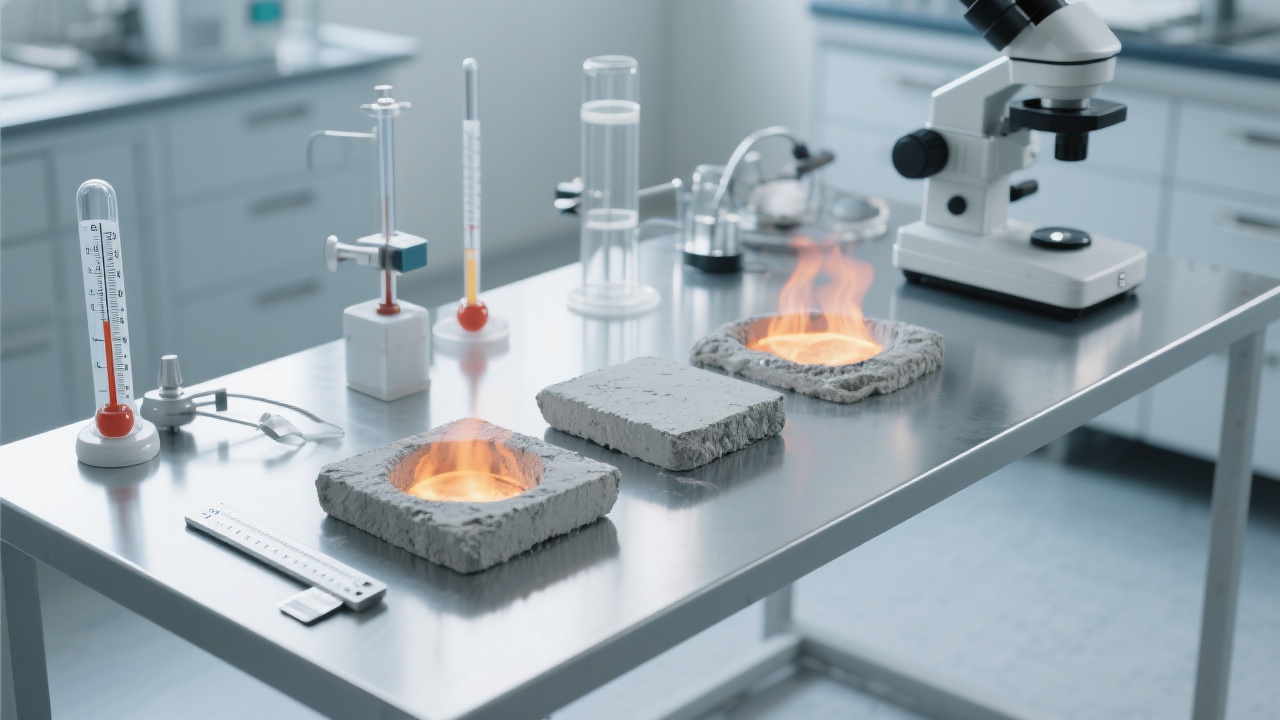
“Mechanical strength” in glass is influenced by more than bulk composition. Real-world failure often originates at micro-defects, inclusions, or poorly controlled crystallization. Zirconium silicate can contribute to stronger outcomes by supporting a cleaner, more stable microstructure and by improving resistance to degradation mechanisms that create crack initiation sites.
Thermal shock resistance
Improved tolerance to rapid temperature change can reduce microcracking and edge chipping risk in downstream handling.
Chemical durability
Better resistance to corrosive media helps maintain surface integrity, slowing defect growth over time.
Process consistency
Consistent raw-material behavior reduces melt variability, lowering inclusion-related failure rates.
In production terms, plants often see the most value when zirconium silicate quality is steady over time—because small shifts in impurities or particle size distribution can cascade into melting behavior, fining efficiency, or defect formation. This is where quality control becomes not a laboratory exercise, but a commercial advantage.
Buyers often receive a COA listing “ZrO2 + SiO2” and a few impurity numbers. That’s a start, but high-performance glass formulations typically need a more predictive set of indicators—especially when the line runs continuously and the cost of instability is measured in downtime and scrap.
| QC indicator | Why it matters in glass | Common industrial reference range* | Preferred verification method |
|---|---|---|---|
| Chemical composition (ZrO2, SiO2) | Predicts batch contribution and performance consistency | ZrO2 ~ 64–66%, SiO2 balance | XRF; ICP-OES for trace confirmation |
| Fe2O3 (iron) | Controls coloration risk and optical clarity sensitivity | ≤ 0.10% (many specs tighter) | XRF; ICP-OES |
| TiO2, Al2O3 | Affects melt behavior and phase stability in sensitive formulations | Typically ≤ 0.5–1.0% combined (spec-dependent) | XRF |
| Loss on ignition (LOI) | Indicates moisture/volatiles that can disturb melting & fining | ≤ 0.5% (typical control point) | Gravimetric (controlled heating) |
| Particle size distribution (D50/D90) | Controls dissolution rate, homogeneity, and defect risk | D50 ~ 1–5 μm (application-dependent) | Laser diffraction |
| Whiteness / color | Correlates with impurity control and optical outcomes | L* often > 90 (instrument & method dependent) | Colorimeter / spectrophotometer |
*Ranges shown are common procurement reference points used across multiple industrial grades; final targets should match the specific glass system, furnace conditions, and end-use standards.
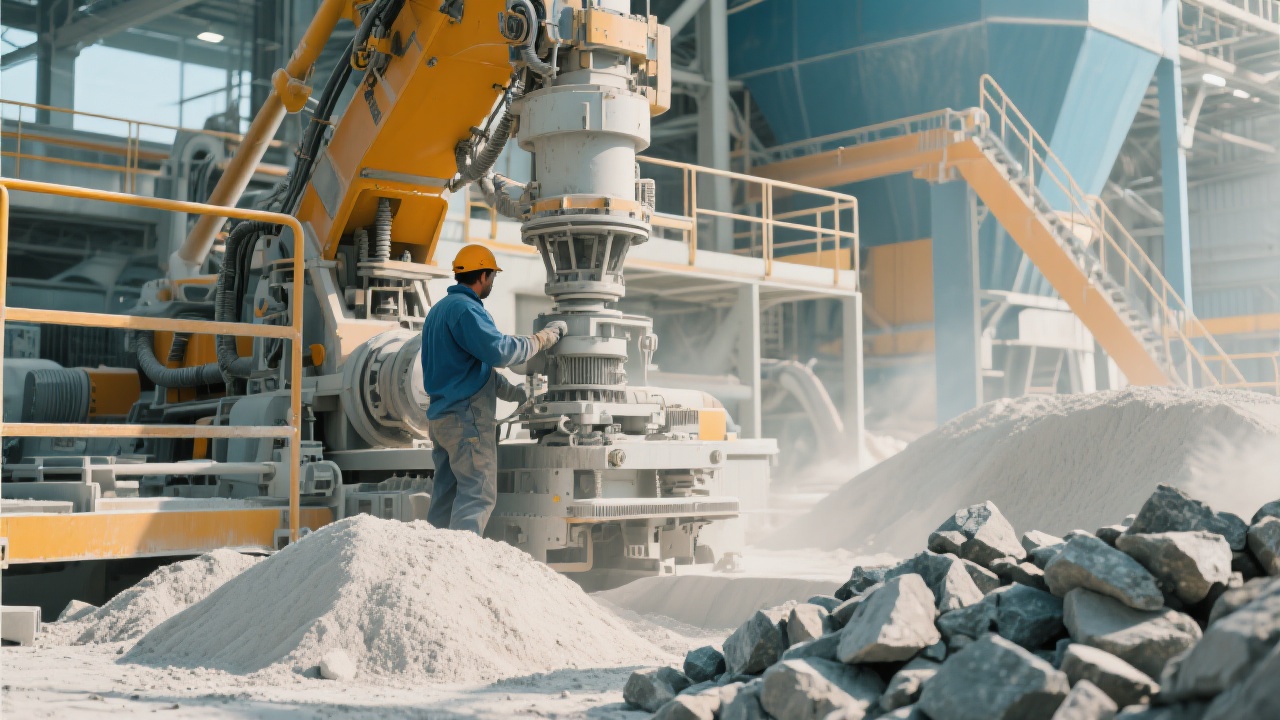
When defect costs are high (specialty glass, technical glass, high-clarity products), leading buyers add a second layer of control:
Zirconium silicate is often a small percentage of the total batch, yet it can have an outsized impact on yield and customer acceptance. The goal for procurement is rarely “lowest unit cost”—it is lowest total cost of ownership: fewer defects, fewer line interruptions, and fewer urgent reformulations.

If a glass plant is experiencing sporadic inclusions or unexplained strength variance, it is often more effective to review lot-to-lot PSD drift and trace impurities (Fe/Ti) trends than to immediately adjust the entire batch recipe. Quiet variability in minerals is a common cause of “mysterious” instability.
For technical buyers and QC managers, a short, high-signal checklist can prevent months of rework. In most B2B transactions, the following requests are reasonable and efficient:
Suppliers who can answer these questions quickly are usually the same suppliers who can support stable production when the formulation becomes more demanding.
For teams evaluating raw-material stability, documentation completeness, and after-sales responsiveness, Zhengzhou Rongsheng Refractory provides zirconium silicate supply support oriented to industrial QC needs—COA traceability, specification alignment, and practical coordination with production schedules.
Explore Zhengzhou Rongsheng’s Zirconium Silicate for Glass Formulations & Technical SupportTypical inquiry details that speed up matching: glass type, target impurities (Fe/Ti), preferred PSD window, monthly demand, and destination port.