Zircon Silicate in Glass Manufacturing: Key Functions, Strength Gains, and Quality Control
In modern glass production, small formulation choices often decide large performance outcomes. Zircon silicate (ZrSiO4) stands out for its optical and chemical advantages, and—when specified and controlled correctly—can contribute to stronger, more thermally stable glass products across multiple applications.
Why Zircon Silicate Matters in Glass Batches
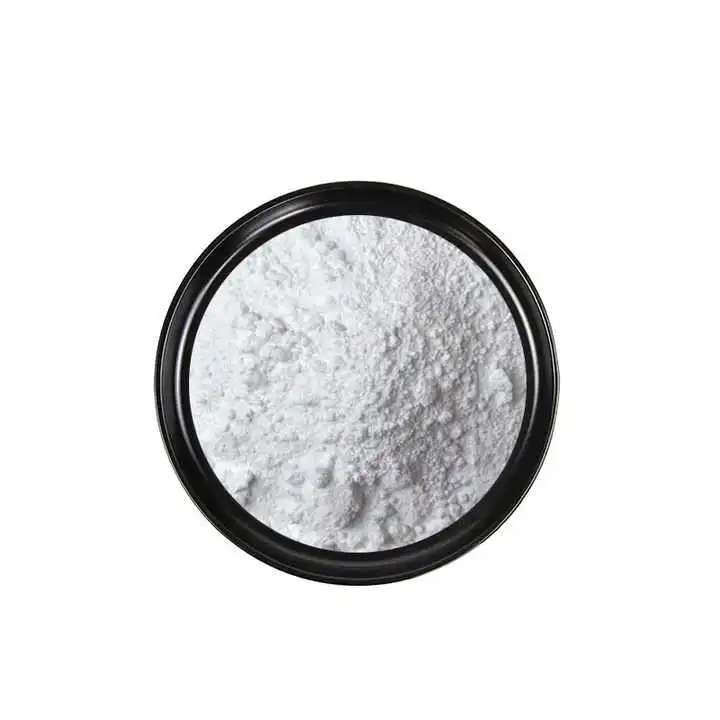
Zircon silicate is widely used in glass and ceramic-related processes because it combines a high refractive index with robust chemical stability. In practical production terms, this means it can help formulators target optical performance while maintaining resistance to aggressive batch chemistries and high-temperature processing windows.
From a materials-science perspective, zircon’s strong Zr–O bonding and crystalline stability contribute to its low reactivity compared with many common batch additives. In glasses where clarity, durability, and consistent melting behavior are priorities, zircon becomes less of a “filler” and more of a functional mineral choice.

Core Functions: Refractive Index and Chemical Stability
1) High refractive index for optical performance tuning
One of zircon’s most discussed properties is its relatively high refractive index (often cited around n ≈ 1.93–1.98, depending on measurement conditions and mineral purity). In glass-related systems, a higher refractive index ingredient can support optical design goals—such as improving perceived brightness or achieving specific aesthetic effects—especially when the formulation or product design benefits from controlled light interaction.
In real B2B production environments, what matters is not the number alone, but repeatability: consistent mineral grade, consistent particle size, and consistent impurity control. That’s why buyers often insist on COA-backed batches and incoming inspection before scale-up.
2) Chemical stability in demanding melting and refining steps
Glass melting introduces strong chemical challenges: alkaline components, fining agents, recycled cullet variability, and continuous furnace conditions. Zircon’s chemical stability helps it remain reliable under such conditions, supporting process consistency. Compared with more reactive additives, it is less likely to introduce uncontrolled side reactions that can amplify defects or shift glass chemistry unexpectedly.
How Zircon Silicate Can Improve Mechanical Strength and Thermal Stability
Strength improvements in glass rarely come from a single “magic additive.” They typically come from a more stable microstructure, fewer critical defects, and controlled thermal behavior during cooling and service. Zircon silicate can contribute through several realistic mechanisms that align with how glass fails in the real world.
Mechanism A: Reducing defect sensitivity by stabilizing the system
The mechanical strength of glass is often governed by surface and near-surface flaws. If the batch-to-melt process produces fewer inclusions or reduces the likelihood of micro-defect formation, the statistical strength distribution can shift upward. By providing stable chemistry and predictable behavior, zircon can support process repeatability—an underappreciated contributor to strength.
Mechanism B: Supporting thermal stability in heat cycling
Thermal stability is not just about maximum temperature; it is also about how the material handles temperature gradients and repeated cycling. Zircon’s stability at elevated temperatures (zircon remains stable up to very high temperatures, with decomposition occurring only at extreme conditions) makes it a dependable mineral in processes where thermal history matters.
Mechanism C: Helping control crystallization and viscosity windows
In manufacturing, small shifts in viscosity can change fining efficiency, bubble removal, and forming stability. While the exact impact depends on the complete formulation and furnace profile, high-quality zircon—kept consistent lot-to-lot—helps plants reduce variability in melting behavior, which correlates with fewer defects and better mechanical reliability.
Quality Control: What Buyers Should Specify (and How to Verify)
For procurement and process engineers, “zircon silicate” is not a single uniform product. Performance depends on measurable indicators. A supplier that can meet the spec on paper but cannot keep it stable over time creates production risk—often more expensive than the raw material itself.
Key indicators commonly used in glass-related purchasing specs
| QC Item | Why It Matters | Typical Reference Range (may vary) | Common Test Method |
|---|---|---|---|
| ZrO2 content | Correlates with zircon grade and functional consistency | ~65–66% | XRF / wet chemistry |
| SiO2 content | Confirms mineral balance and batch predictability | ~33–35% | XRF |
| Fe2O3 (iron) | Impacts color/clarity and optical stability | ≤ 0.10% (stricter for high-clarity) | XRF / ICP-OES |
| TiO2 | May affect whiteness and optical results | ≤ 0.30% | XRF |
| Particle size (D50 / D90) | Controls dispersion, melt behavior, and consistency | Example: D50 1–5 μm (application-dependent) | Laser diffraction |
| Moisture (LOI) | Affects handling, dosing stability, and storage | Often ≤ 0.5% | Loss on ignition / oven drying |
Advanced verification methods used by quality-driven manufacturers
Beyond routine chemical analysis, many glass manufacturers adopt a layered verification approach to reduce risk during supplier onboarding and during long-term supply:
- XRD to confirm phase purity and detect unwanted mineral phases that may behave differently in processing.
- ICP-OES for trace impurities when color stability or strict customer specs are critical.
- Whiteness / colorimetric testing (L*, a*, b*) for applications where appearance is closely audited.
- Lot-to-lot statistical process control (SPC) to prevent “spec meets, process fails” scenarios.

Supply Chain Optimization: Balancing Cost, Risk, and Performance
In global sourcing, the “lowest price” strategy often becomes expensive when hidden costs appear: unstable quality, delayed shipments, inconsistent packaging, or incomplete documentation. Zircon silicate supply tends to be sensitive to mining origin, beneficiation quality, and milling consistency—so supply chain design directly affects product performance.
Buyers looking for sustainable savings typically focus on total cost of ownership: defect reduction, fewer furnace interruptions, lower rework, and predictable deliveries. Common operational steps include dual-sourcing with matched specs, supplier audits, and annual quality reviews based on real production metrics.
What “good supply” looks like in practice
- Stable COA values across shipments, not just one strong batch.
- Clear packaging standards (moisture control, labeling, lot traceability).
- Document readiness for global trade (MSDS/SDS, origin documents when needed).
- Technical support that can respond to process questions, not only sales follow-ups.
With industry attention shifting toward smarter furnaces, higher cullet utilization, and tighter product tolerances, zircon silicate selection is increasingly part of a broader competitiveness story: stable inputs enable stable outputs.
A Practical Sourcing Option for Performance-Focused Glass Producers
For manufacturers seeking a balance between technical performance and procurement confidence, selecting a supplier with consistent quality management and responsive service is often the decisive factor. Zhengzhou Rongsheng Refractory Co., Ltd. provides zircon silicate grades designed to meet different glass-related application needs, supported by documentation and supply continuity.
Choose Zircon Silicate from Zhengzhou Rongsheng to Elevate Glass Quality
Need a reliable zircon silicate supplier for glass manufacturing—supported by consistent specs, traceable batches, and technical coordination? This is where disciplined quality control meets practical global supply.
Explore Zhengzhou Rongsheng Zircon Silicate for Glass ManufacturingTypical support includes product selection guidance, COA availability, and shipment coordination for different destinations.
In glass manufacturing, the most convincing performance story is the one that remains consistent from pilot runs to full-scale production—especially when orders, delivery windows, and customer audits tighten at the same time.