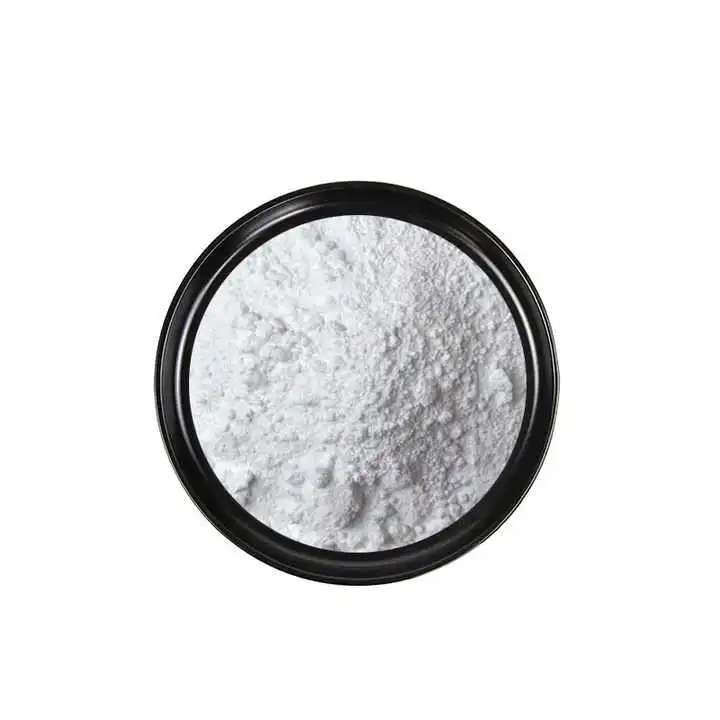
In modern glass production, a small change in a batch formula can decide whether a line runs smoothly or spends hours handling defects, rework, or customer claims. Zircon silicate (ZrSiO4) has become a high-impact additive and functional filler not because it is “premium” in name, but because its optical, chemical, and thermal characteristics translate into measurable improvements in glass performance—especially mechanical strength, thermal stability, and process consistency.
Zircon silicate is widely used in glass and glass-ceramic systems as an opacifier, a crystallization control aid, and a stability enhancer. It is valued for its high refractive index (commonly reported around n ≈ 1.92–2.01 for zircon) and high melting point (often cited near ~2,550°C), as well as its resistance to many corrosive environments encountered in industrial melts.
In practical terms, zircon silicate can support: lower defect rates (e.g., fewer stones/cord-related visual issues), improved thermal shock behavior in certain applications, and more stable optical appearance across production lots—provided the material is controlled with the right specifications and test methods.
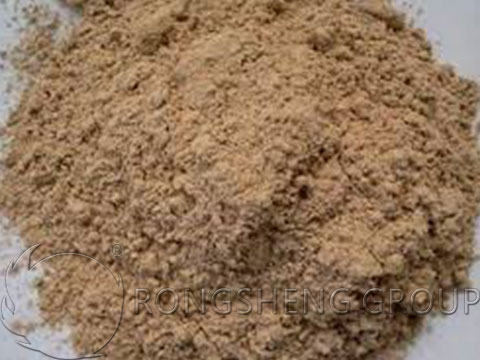
“Mechanical strength” in glass is usually governed by surface flaws and internal micro-defects. Zircon silicate contributes indirectly by influencing microstructure and melt behavior, which can help reduce defect formation and improve uniformity. Depending on the glass type and particle characteristics, the following pathways are commonly discussed in industry practice:
In carefully engineered formulations, zircon silicate can help stabilize phase behavior and reduce the tendency for unwanted devitrification patterns that can create weak points. In some glass-ceramic or opaque glass systems, controlled nucleation and crystal distribution can yield a more uniform microstructure, which often correlates with better strength consistency across a production run.
When zircon silicate is milled and classified properly, the risk of coarse, undissolved particles acting as crack initiators is reduced. Many plants prefer a controlled fine fraction (for example, D50 commonly in the ~1–3 μm range for certain applications), while limiting oversized particles (e.g., low residue on 325 mesh) to prevent visible inclusions and local stress concentration.
Glass strength is often lost in the presence of contaminants that trigger bubbles, seeds, or reactions with refractory/metal components. Zircon silicate’s chemical inertness can help maintain melt stability, especially when impurities are strictly controlled (such as iron, titanium, and alkalis that may influence color, viscosity, and reactions).
Process reality check: Zircon silicate does not “magically” strengthen every glass by itself. Measurable gains depend on compatibility with the base glass chemistry, furnace conditions, and how tightly zircon quality is controlled—especially particle size, purity, and stability.
Thermal stability in glass manufacturing often means maintaining performance through rapid temperature changes, repeated heating cycles, and prolonged exposure to elevated temperatures. Zircon silicate is valued because it combines high thermal resistance with low chemical reactivity in many glass melt environments.
In production, alkali-rich atmospheres and aggressive batch components can destabilize additives. Zircon silicate typically shows strong resistance compared with many alternatives, helping keep performance stable over time and reducing the chance of unpredictable reactions that lead to defects or property drift.
For certain glass and glass-ceramic applications, zircon silicate can help produce a microstructure that manages thermal gradients more evenly. While thermal shock resistance is highly application-specific, manufacturers often report better consistency when zircon quality and dispersion are stable, reducing localized stress risers.
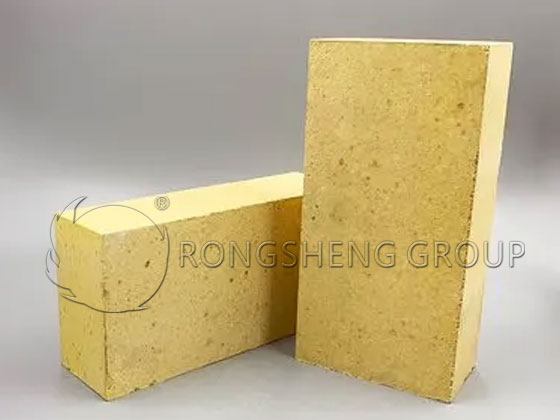
In B2B purchasing, “zircon silicate” is not a single quality level. Two lots can share the same product name yet behave differently in a furnace. A practical quality control system focuses on a few indicators that directly impact glass performance and defect risk.
| QC Indicator | Typical Control Target (Industry Reference) | Why It Matters in Glass |
|---|---|---|
| ZrO2 content | Common grades: ~64%–66% | Correlates with refractive performance, stability, and consistency. |
| Fe2O3 (iron) | Often controlled to ≤0.10%–0.15% (application-dependent) | Impacts color, optical clarity, and can contribute to defect sensitivity. |
| TiO2 and other trace oxides | Typically monitored tightly; targets vary | Affects whiteness/opacification behavior and batch-to-batch stability. |
| Particle size distribution (PSD) | Example: D50 ~1–3 μm for fine grades; low oversize fraction | Controls dispersion, reduces inclusions, improves surface/optical uniformity. |
| Moisture & LOI | Commonly ≤0.5% (varies by packaging and logistics) | Helps avoid handling issues, feeding instability, and batch variability. |
For international trade documentation, buyers often align internal specs with recognized frameworks and test discipline—commonly including ISO-style quality management practices and traceable lab reports. The exact product compliance requirements depend on the destination market and end-use.
Strong zircon silicate suppliers do not rely on one “certificate.” They combine chemical, physical, and stability tests to ensure each shipment behaves predictably. Commonly adopted techniques include:
Rapid, reliable control of ZrO2, SiO2, Fe2O3, TiO2 and trace elements—crucial for avoiding color drift and reaction sensitivity.
Confirms zircon phase integrity and detects unwanted phase changes that may affect performance under thermal load.
PSD control is one of the most “quietly important” predictors of stable melting/dispersion and reduced inclusion risk.
Especially relevant for opacified glass where appearance, brightness, and uniformity need tight consistency across batches.
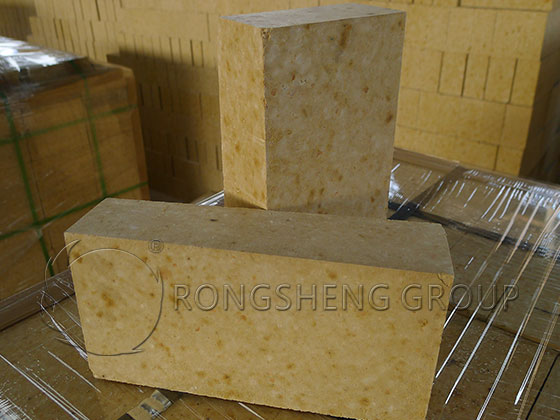
For glass manufacturers, zircon silicate is not only a materials decision—it is a throughput decision. A lower-priced lot that triggers higher defect rates, unstable feeding, or extra filtration can quietly raise the true cost per ton of finished glass.
Practical supply chain strategies used by competitive producers include:
Many plants evaluate additives by a simple internal metric: defects per million (DPM) or reject rate before/after material changes. Even a 0.2%–0.5% improvement in yield can outweigh small differences in raw material costs—especially in high-volume lines.
In international B2B procurement, the most trusted suppliers are those who can answer technical and operational questions quickly—with evidence. Typical approval questions include:
In this context, suppliers such as Zhengzhou Rongsheng Refractory Co., Ltd. position their zircon silicate offering around stable specifications, traceable inspection, and practical technical support—because in glass plants, consistency is often the difference between “acceptable” and “bankable.”
Request a lot-based COA sample, particle size profile, and recommended control targets for your glass formulation—so your team can evaluate performance with fewer trial-and-error cycles.
Explore Rongsheng’s high-quality zircon silicate for glass manufacturingTypical support includes documentation alignment, shipment traceability, and responsive after-sales coordination for production-side verification.