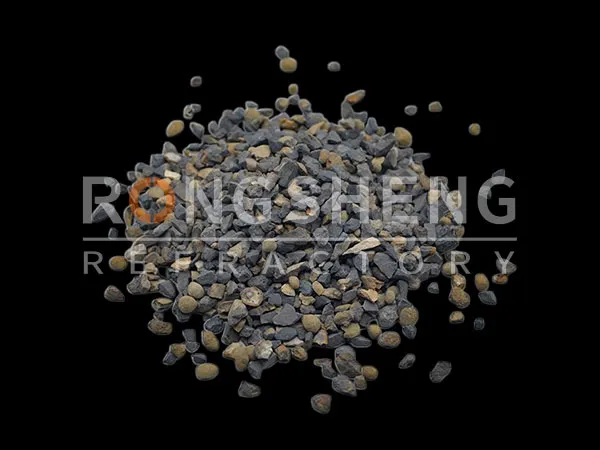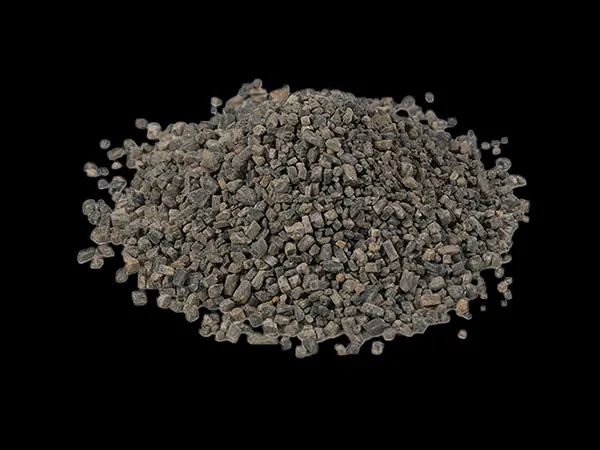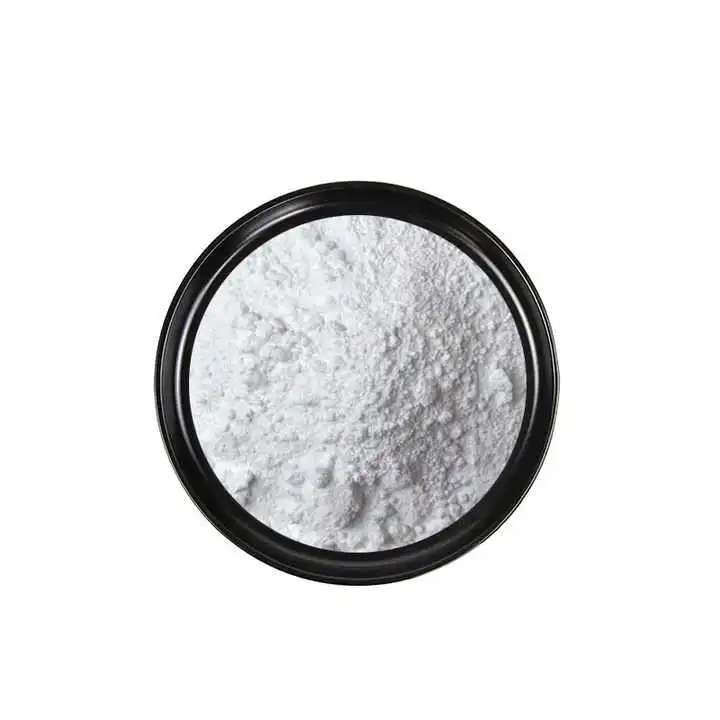

Zirconium silicate (ZrSiO4) plays a pivotal role as an additive in the glass manufacturing industry, significantly improving the mechanical strength and thermal stability of glass products. This enhancement is attributed to its unique physicochemical properties, including a high refractive index ranging from 1.93 to 2.01 and exceptional chemical inertness. By integrating zirconium silicate into glass formulations, manufacturers can achieve superior performance metrics, thus meeting the rigorous demands of both industrial applications and consumer markets.
At a microscopic level, zirconium silicate acts as a structural modifier by promoting lattice densification in the glass matrix. The incorporation of ZrSiO4 particles facilitates cross-linking within the silicate network, which leads to improved rigidity and crack resistance. This phenomenon has been quantitatively validated by multiple studies demonstrating an average increase of 15–20% in mechanical strength, including tensile and modulus measurements, compared to baseline silicate glasses without zirconium additives.
Thermal stability is another critical parameter enhanced by zirconium silicate. Glass products enriched with ZrSiO4 exhibit a significantly lower coefficient of thermal expansion (CTE), typically decreasing from approximately 8.5 x10⁻⁶ K-1 to values near 6.7 x10⁻⁶ K-1. This reduction mitigates thermal stress-induced fractures during rapid temperature fluctuations, extending the service life of glass components used in demanding environments such as aerospace and electronics.
The functional advantages of zirconium silicate depend heavily on its intrinsic quality metrics. Critical parameters include:
Effective supply chain management is essential for sourcing high-grade zirconium silicate while controlling operational expenses. Leading glass manufacturers adopt multilayered quality assurance processes that include supplier audits, batch sampling, and real-time compositional analysis to ensure material consistency without inflating costs.
Investing in trusted suppliers who comply with international certification standards can reduce risk and minimize downtime caused by substandard additives. The integration of predictive analytics tools for demand forecasting and inventory optimization further enhances forecast accuracy, enabling manufacturers to maintain lean inventories yet safeguard against shortages.
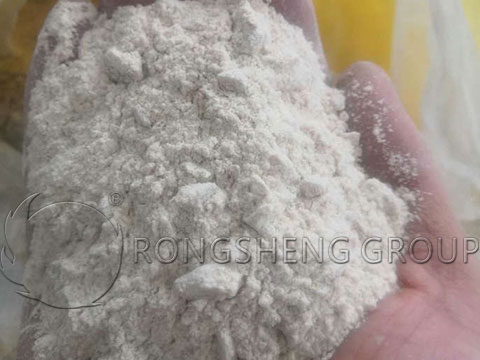
Notably, several global glass manufacturers have integrated high-purity zirconium silicate to enhance product robustness and thermal resistance. For instance, a recent industry report indicates a 12% reduction in product failure rates in smartphone cover glass after substituting conventional additives with ZrSiO4 sourced from certified suppliers.
These advancements illustrate the tangible benefits of deploying zirconium silicate in high-stress glass applications, such as architectural panels and specialty optical lenses, driving demand for consistent, premium-grade materials.
For glass manufacturers seeking to leverage these benefits, Zhengzhou Rongsheng Refractory Materials Co., Ltd. offers high-purity zirconium silicate products that meet stringent international certifications, providing reliable supply and superior performance to help global clients achieve transformative enhancements in glass quality and operational efficiency.