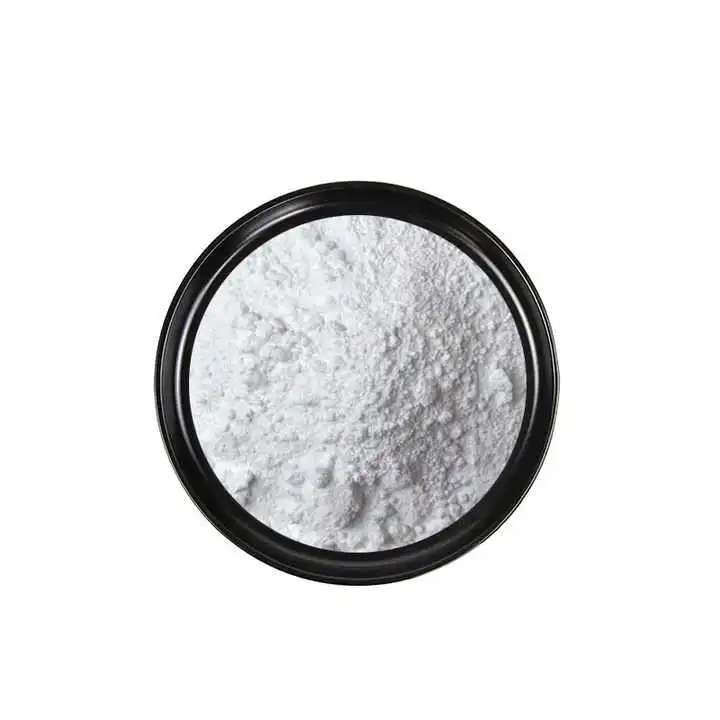

In ceramic manufacturing, achieving a bright, glossy finish isn’t just about aesthetics—it’s a key indicator of quality and market competitiveness. One often overlooked yet powerful ingredient in this equation is high-refractive zirconium silicate (ZrSiO₄), with refractive indices ranging from 1.93 to 2.01. Unlike traditional additives like feldspar or talc, zirconium silicate doesn't just improve surface appearance—it fundamentally enhances optical performance through advanced light-scattering mechanisms.
When added to glaze formulations, zirconium silicate particles act as microscopic mirrors. At firing temperatures between 1180°C–1320°C, these particles remain stable and uniformly dispersed, creating multiple internal reflections that scatter visible light more effectively than conventional fillers. This results in:
“We saw immediate improvement in our premium porcelain tiles after switching to zirconium silicate-based glazes. The difference wasn’t just visual—it was measurable.” — Dr. Ahmed El-Sayed, R&D Lead, Al-Nasr Ceramics (Egypt)
A leading tile manufacturer in Italy reported a 12% reduction in glaze defects (such as pinholes and streaks) after optimizing their formulation with 7–9% zirconium silicate by weight. Key adjustments included:
These changes not only improved final product quality but also reduced rework costs by an estimated 8–12% per batch—proving that technical precision pays off in operational efficiency too.
While materials like rutile or titanium dioxide offer some whitening effects, they can introduce unwanted color shifts or volatility under high heat. Zirconium silicate, however, maintains its structural integrity even above 1400°C and shows no signs of decomposition or reaction with other glaze components—even in acidic or alkaline environments.
This makes it ideal for high-performance ceramics used in both consumer and industrial applications—from bathroom fixtures to aerospace-grade ceramic coatings.
Let us help you implement proven zirconium silicate solutions tailored to your production needs—with consistent supply and expert technical support.
Explore Zirconium Silicate Solutions →