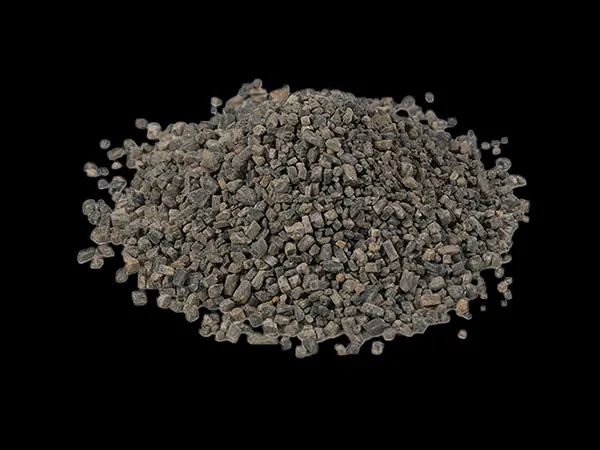
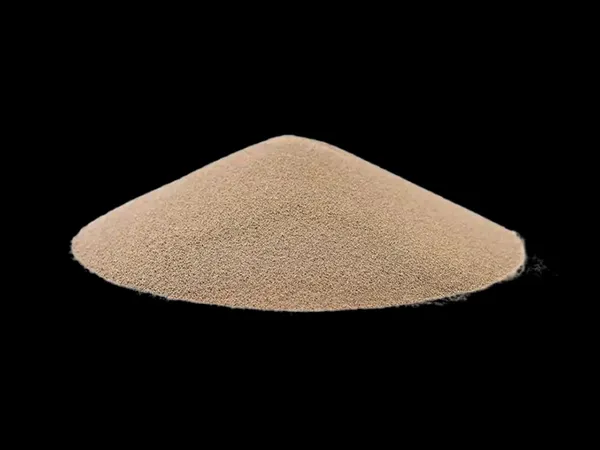
In response to increasingly stringent global environmental regulations, the foundry industry is undergoing a fundamental shift. Traditional materials such as chromite sand containing heavy metals and the scarce zircon sand are facing usage restrictions worldwide. This transition has put the spotlight on innovative alternatives that not only comply with environmental mandates but also meet or exceed technical demands. Among these, the high-purity alumina and silicate composite spherical ceramic sand developed by Zhengzhou Rongsheng Refractory Materials Co., Ltd. is emerging as a compelling green solution.
Environmental policies across Europe, North America, and Asia-Pacific have progressively tightened limits on harmful substances in refractory materials. Heavy metals within chromite sand are increasingly restricted under regulations such as REACH (Registration, Evaluation, Authorization, and Restriction of Chemicals) and EPA standards. Concurrently, the cost volatility and environmental footprint of mining zircon sand—one of the critical inputs for precision casting—have raised sustainability concerns.
As a result, foundries focused on aluminum, copper, and magnesium alloy castings are actively seeking alternatives that align with global eco-standards without sacrificing casting quality or driving up operational costs.
The ceramic sand developed by Zhengzhou Rongsheng leverages a proprietary high-purity alumina and silicate composite synthesized into a spherical morphology. This design achieves superior technical performance that addresses key challenges foundries face with zircon sand:
To fully harness ceramic sand’s benefits, tailored optimization of technical parameters is essential according to specific alloy casting needs:
| Parameter | Recommended Range | Effect on Casting Performance |
|---|---|---|
| Particle Size Distribution (PSD) | 45-150 μm (adjusted per alloy) | Optimizes mold filling and surface finish, balances permeability |
| Impurity Content (Fe₂O₃, TiO₂) | Less than 0.5% | Minimizes chemical reactions that induce casting defects |
| Sintering Behavior | Optimized for 1350–1450°C with controlled dwell time | Ensures consistent grain bonding and mechanical strength |
This parameter-driven approach enables foundries to fine-tune ceramic sand formulations for various non-ferrous metals, ensuring a seamless transition from zircon sand with minimal process disruptions.
To assist purchasing and technical teams, Zhengzhou Rongsheng offers an innovative evaluation toolkit designed for comprehensive material assessment:
These tools not only expedite decision-making but also reduce implementation risks, ensuring smooth compliance with international environmental standards while boosting casting excellence.

Zhengzhou Rongsheng leverages 20+ years of industry expertise to deliver tailored ceramic sand formulations compliant with diverse international regulations. Their global technical assistance network provides clients with:
This commitment underpins a sustainable and high-precision foundry industry capable of meeting future environmental and quality challenges.
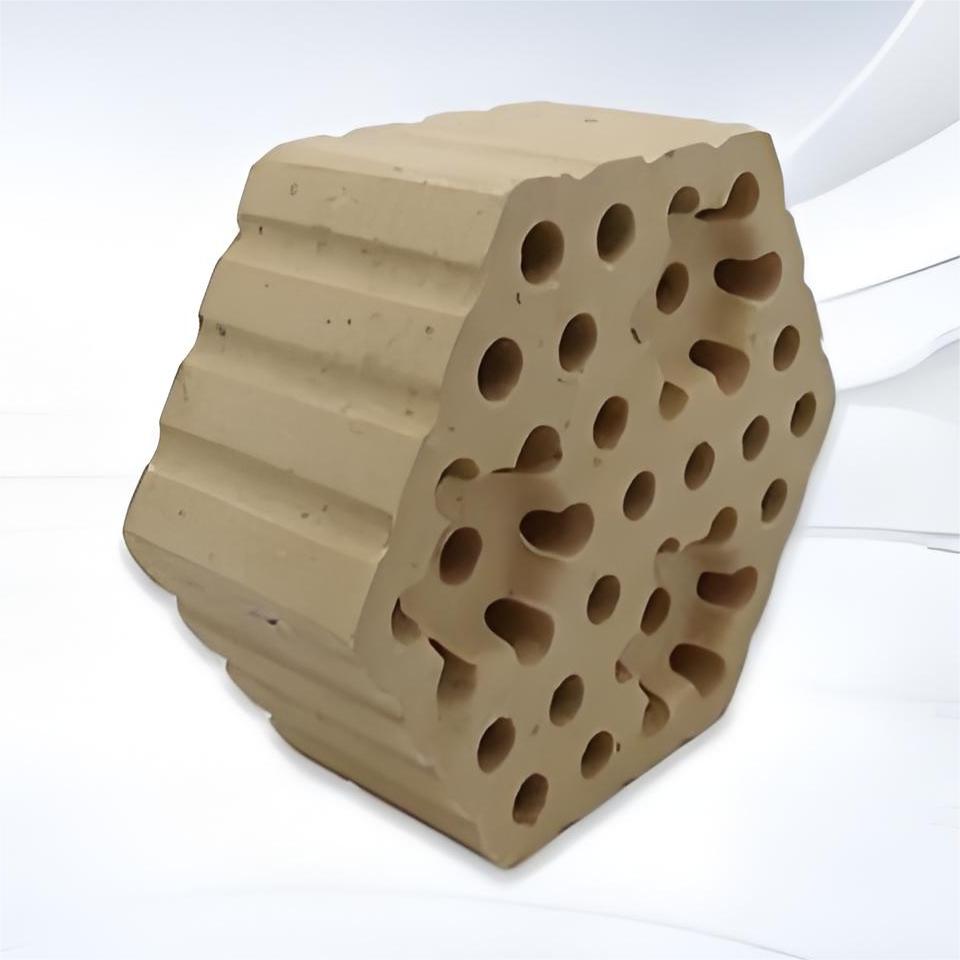
The evolution from chromite and zircon sands to ceramic sand marks a pivotal step in the foundry sector’s effort to embrace sustainability and regulatory compliance. Ceramic sand’s blend of chemical inertness, thermal compatibility, mechanical resilience, and flowability translates into enhanced casting quality and operational efficiency. Moreover, embedded evaluation methodologies and responsive technical support empower foundries to make informed, risk-mitigated choices.
With increased adoption, ceramic sand will not only satisfy tightening legal frameworks but also propel innovation in precision casting methods across global markets.